
Women's Soccer in Latin America: Gaining Ground but Challenges Remain

A recent event with the Argentina Women's National Team highlights gender disparity in Latin American football. Despite progress, challenges remain. Brazil dominates regional competitions, and CONMEBOL's mixed signals and global struggles for equal pay persist.

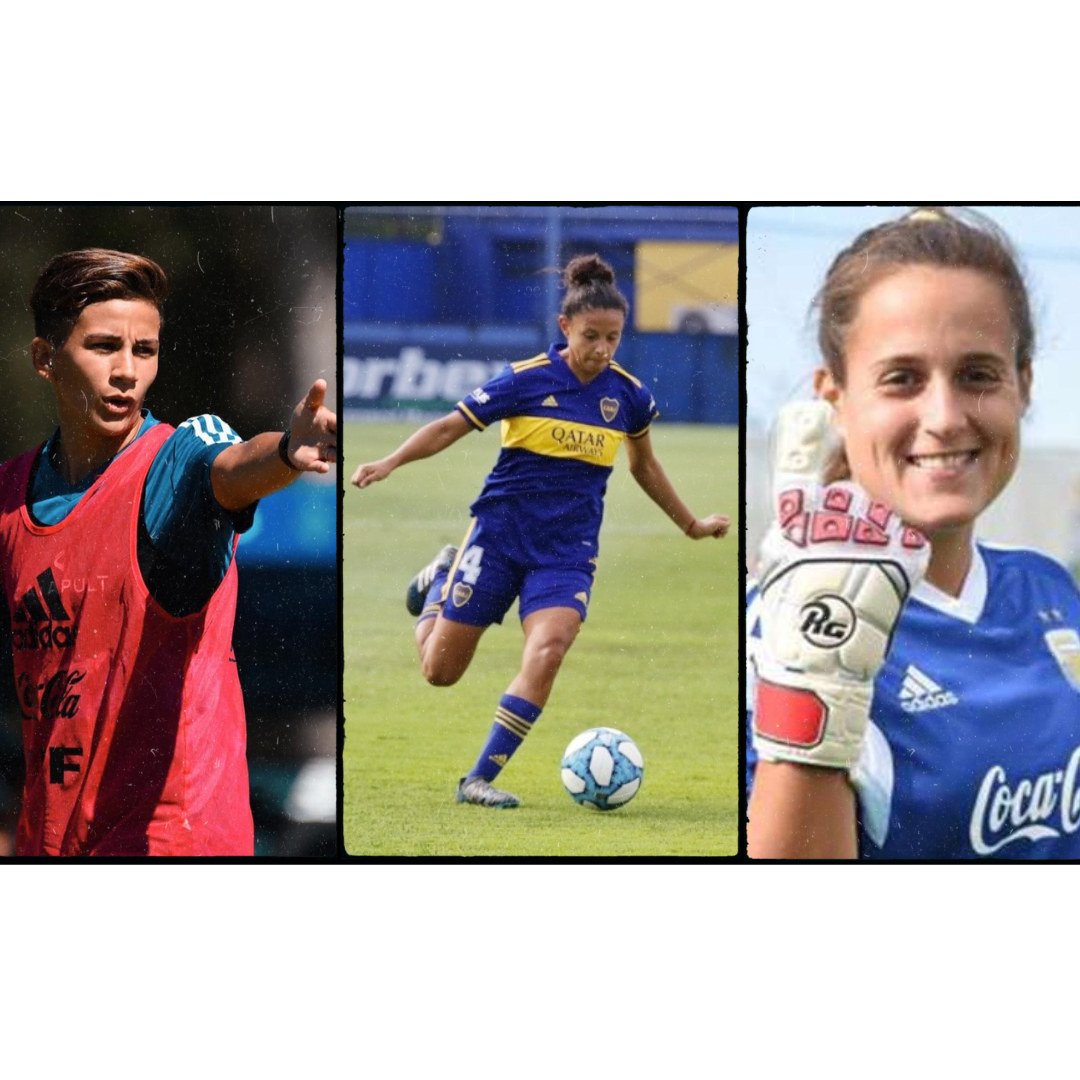
Argentina Women's National Football Team celebrates a goal, highlighting gender disparity in Latin American soccer.
Image credit: Facebook

A few weeks before Argentina Men’s National Football Team started competing on the latest edition of the Copa América as defending champions, one baffling event underlined the gender disparity in Latin American football: Argentina Women’s football or soccer team players Lorena Benítez, Julieta Cruz, and Laurina Oliveros stepped out of the squad for two friendly matches, citing issues like not receiving per diems for traveling to the game and not getting even basic meals during training sessions. 

It’s an outcome that reminds us that progress around women’s soccer throughout the region in recent years is undeniable, but it’s still a slow and unequal process.

The South American Football Confederation (CONMEBOL) organizes four international competitions nowadays (3 for national teams and 1 for clubs, not counting futsal or beach soccer), and since 2016 demanded clubs to develop women’s teams in order to be able to participate in the men’s football international competitions. 

But women in many countries still struggle to make a decent living exclusively as soccer or fútbol players and the results of this unequal growth are evident: Brazil’s national and club teams dominate almost every regional competition, and no Latin American team has ever won the FIFA Women’s World Cup.

What could be the root of this complex situation? Perhaps it’s the mixed signals that CONMEBOL continues to send through different aspects of its institutional and economic moves. Take, for instance, all the terrible, money-driven decisions that led to a scandalous men’s Copa América in the U.S., which nonetheless improved the revenue for CONMEBOL (which was already surpassing pre-pandemic levels in 2023). Or how it supported Brazil’s successful run for hosting the 2027 Women’s World Cup only two months before Alejandro Domínguez, CONMEBOL’s president, declared he doesn’t believe in equal pay, claiming it would put a “ceiling” in the development of women’s football. It’s a dangerous combination of a short-term vision and plain sexism.

Zooming out from Latin America, this is yet another instance of female soccer around the world fighting to get equal opportunities and institutional support: in February 2022, the U.S. Women’s National Team could finally end a three-year dispute against US Soccer for equal pay with their male counterparts, while in June this year, the Denmark men’s football team refused a pay rise to ensure the women’s squad would earn the same basic match fee as them. 

The Copa América, South America's premier international football tournament, concluded, showcasing the continent's top teams in a thrilling display of skill and competition. These games command the attention of fútbol fans worldwide. 

Simultaneously the conversation around gender equal pay in soccer picks up. Let's continue this conversation towards a solution. Without equal gender pay, we all stand to lose if no progress is achieved.

Read More

What Happens When Colombian Women Become an Export Industry?

What Happens When Colombian Women Become an Export Industry?

As Colombia gains international attention for its booming webcam industry and rising concerns over sex tourism, a deeper conversation is emerging.

How Latin Artists Became the Soundtrack of the FIFA World Cup

How Latin Artists Became the Soundtrack of the FIFA World Cup

From Ricky Martin's iconic La Copa de la Vida to Shakira's unforgettable World Cup anthems, Latin artists have helped define the soundtrack of football's biggest stage. Discover how Latino talent has shaped FIFA World Cup history through music, culture, and unforgettable performances.

Are Latin Americans Happier? What the Happiness Rankings Reveal

Are Latin Americans Happier? What the Happiness Rankings Reveal

Costa Rica and Mexico have entered the top 10 happiest countries in the world according to the 2025 World Happiness Report.

What Women Should Know About “Forever Chemicals” in Athleisure

What Women Should Know About “Forever Chemicals” in Athleisure

Athleisure has become an everyday staple, but growing concerns about PFAS, or “forever chemicals,” in some leggings and activewear are raising questions about hormone disruption, wellness and safer fashion choices for Latinas and women of color.

Join our community

Get weekly inspiration for living well delivered straight to your inbox.