
My Guatemalan Self — Dispatches from a Guatemalan Adoptee

In BoldLatina Community Essay series - Guatemalan adoptee Melissa Ramos reflects on navigating her Guatemalan-Norwegian identity, reclaiming her birth culture, and finding belonging between two worlds.

My Guatemalan Self — Dispatches from a Guatemalan Adoptee
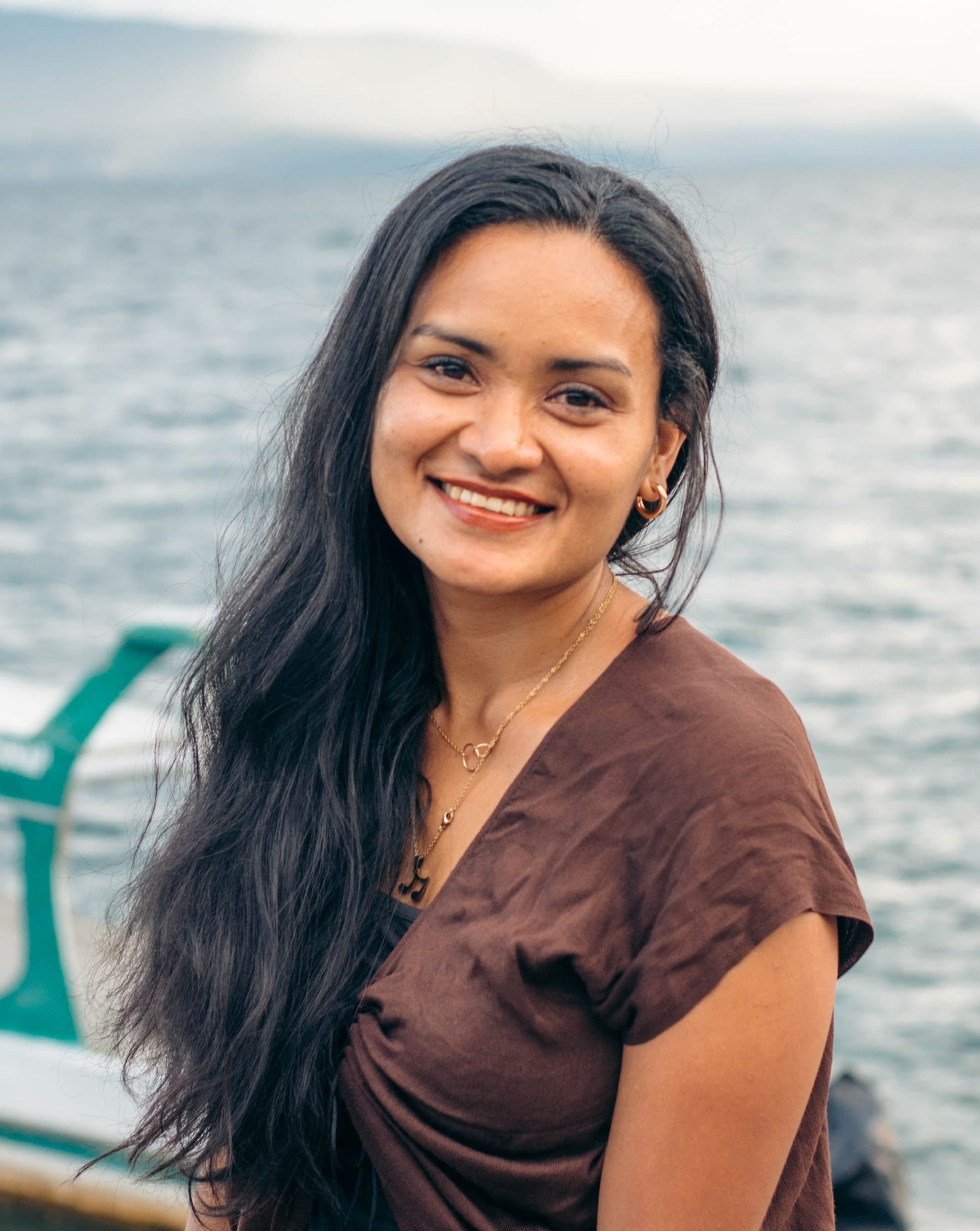
Melissa Ramos in Guatemala.

I can recall so many encounters I’ve had with Guatemalan or Latin American immigrants, each one unique and each a reflection of myself. Despite shared facial features, there is instantly something about me that tells the other person I was not raised, nor have I lived my entire life, in my country of origin, Guatemala. Precisely what that is, I can’t put my finger on, but what I do know is that it applies regardless of whether an encounter occurs in Europe or Latin America.
Over time, these encounters have forced me to confront the dualities of my identity. Overwhelming, sure, but this is also what has brought awareness to my two identities and what they represent — not only for myself but also for my two families. These dual features are something I have been determined to fully understand throughout different stages of life as an intercountry adoptee. I often find myself in situations with varying perceptions of me as a Norwegian-Guatemalan or a Guatemalan-Norwegian, if you like — situations I have been forced to confront and question, and this is how I have dealt with some of them.

Meetings of Two Worlds
When introducing myself, I present myself as Melissa, the international name given to me at birth. Actually, anywhere outside Norway, I go by Melissa, as my first name, Brita, is a typical Norwegian name (plus an American brand). If asked about my nationality, I would say I am Norwegian-Guatemalan, and in that order, outside of Guatemala. Based on experience, it is usually the emphasis on dual nationality, citizenship, and residency that makes people wonder, and not the name preference itself. The Norwegian component comes as a natural first, as this is the national identity and family bonds I have known and belonged to for most of my life. The Guatemalan component was something I had to choose and actively adapt to, and was always a possibility, although legally and technically, that was my first personal identification data.


The first time I visited Guatemala was the reverse of my experience growing up in Norway, as I now looked and seemed Latina (or “Chapina,” as it is called in Guatemala) to everyone but lacked common knowledge, language, culinary and cultural traditions and a local network. I had to adapt to Guatemalan culture from scratch, and, at the same time, be confident in conveying my Norwegian background, thereby raising the question of which parts of me are the most
Norwegian and which are Guatemalan. Traits of lacking a personal description, which is a given to most people. If it is even “right” to reflect about oneself and navigate life and its complexities in this manner. There was never any choice or a way around but to come to peace with both identities, and as soon as possible. A reclamation process that at times felt and still feels forced, as the adoption background can be hard to fit and divide into a tangible, personal and private
explanatory package for the right circumstances.

An Imagined Childhood
The unobtainable compassion for having taken a unique journey most people can’t relate to — this is how I often think about how Latin Americans perceive me and how falsely they perceive me as an adoptee from Guatemala. How some can’t seem to understand why I seek experiences and a life in one of the world’s most corrupt and unequal countries. Especially when I have the best starting point for getting as much as possible out of one of the world’s wealthiest countries.

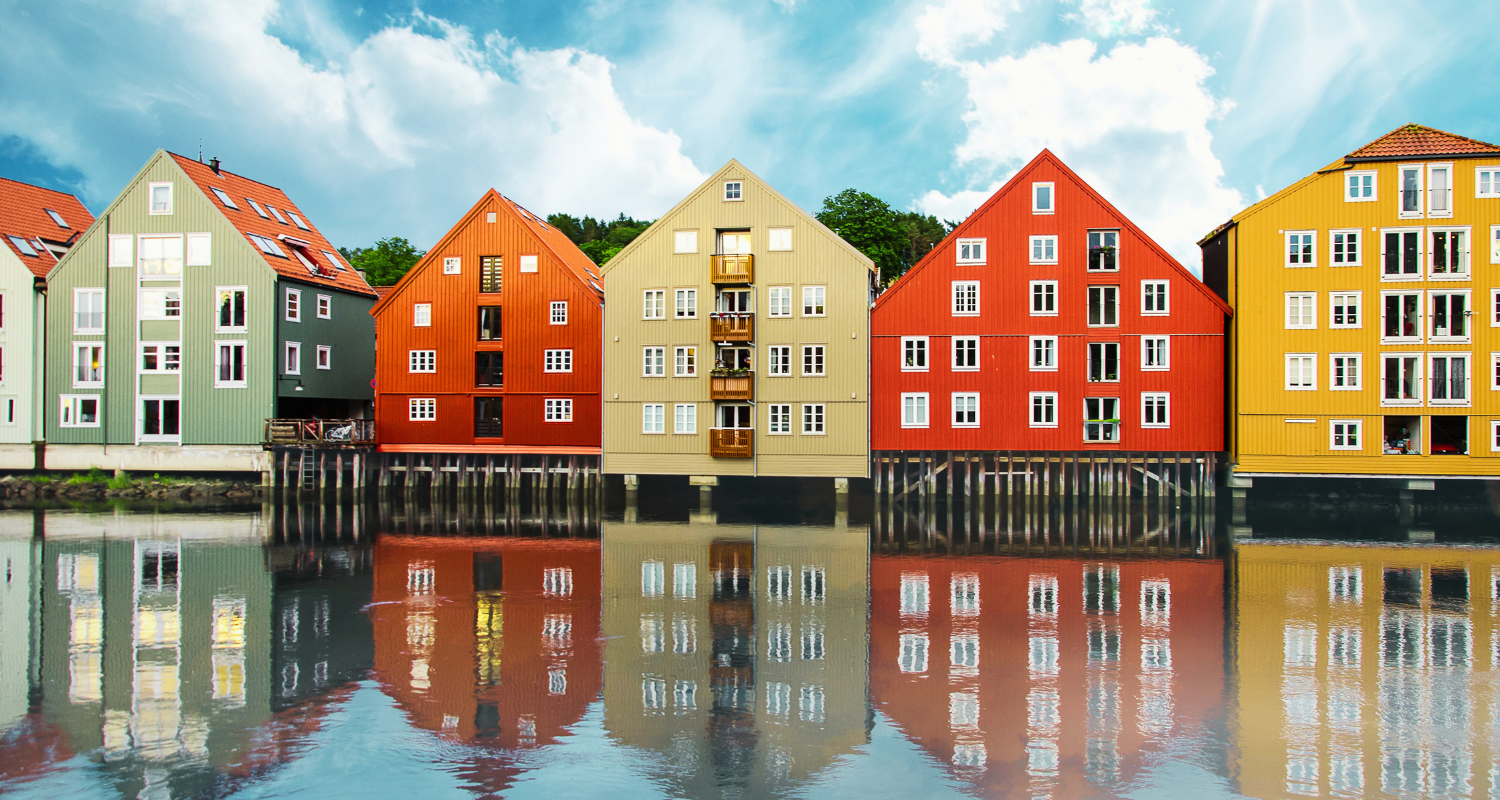
Norwegian homes.


People have a hard time understanding this contradiction, making me the stupid one for not embracing the most seamless migration process ever given to me by birth — and by luck, as many would describe it. These assumptions by my fellow native citizens are always at the back of my mind. It is the mix of feeling them looking right through me and not getting the message at all, and an often-missed opportunity for me to restore that perception. Misperceptions and misunderstandings are often too comprehensive to explain in simple encounters in daily life. This makes the adoptee the losing party in any confrontation, forced to come up with tools for responding as simply and as quickly as possible. This balancing act underlines the complexity of the adoption act itself and its long-term effects — and also demonstrates the adoptee's choice of whom, when, and where to educate the people around us.

The Birthright to Choose
An adoptee’s experiences and personal reflections shape the outcomes of an international adoption, adding new dimensions to assimilation and integration. Over time, adoptees from the global south have grown up in the West, becoming bilingual and bicultural when adopting what could have been their mother tongue and cultural and religious traditions. From this perspective, intercountry adoption can be seen as an early and gradual integration process. In cases where there is too much grief, loss, and trauma attached to the backstory of the individual adoptee, the sense of longing after a lost childhood and an entire life emerges naturally. This explains why some adoptees find themselves at crossroads at different stages in life, debating where to live, what their true aspirations are, and what the meaning of life is — both in the country they were adopted to or the one they could have grown up in and are welcomed back into, or neither. I often ask myself, “Why does it have to be one country above the other?”

An Unlimited Personal Advocacy Project
When people introduce themselves, they say their name, age, and where they are from. Short, quick, and simple with no hesitation or ambiguities — a dream scenario for adoptees. You have probably heard people with multicultural identities refer to themselves as half this or half that or even use the term “mixed” if they have a diverse family background. I’ve never believed in percentages when describing oneself. I believe those phrases or stamps prevent people from fully grasping both or all sides of themselves and should be obsolete terms in today’s globalized world. To create diversity at workplaces and increase people’s basic understanding of how the world works for the oblivious, this is a step in the right direction. With the different family constellations that exist, one should not complicate things further but strive to make every
backstory normal.
Today, I consider myself as much Guatemalan as Norwegian, as I am not, first and foremost, an adoptee. Being adopted is not a stamp or a complete identity marker, but it came with the responsibility of educating both worlds and claiming my right as a citizen in what I consider to be two of the best countries on earth. My hope is that adoptees will find a way to come to terms with their countries and find their place as citizens in both, regardless of whether it is actually possible in practice. I hope they can feel content with truths and know how to face the different
encounters along the way. And to ultimately be at peace with how life unfolded, both good and bad. Being an intercountry adoptee is an ongoing advocacy project that never ends. It is up to each and every adoptee how much of an advocate one wishes to be in this project called life.

Community Writer: Melissa Ramos/Brita Melissa Botnen Søreng is a Guatemalan-Norwegian intercountry adoptee who has engaged in adoption and adoptee communities for the past fourteen years. She holds an MSc in Political Science and lives in Norway. Melissa's adoption stories have previously published in Plaza Pública and Latino Rebels .


Read More

Andrew Tate to El Temach: How the Latin American Manosphere Is Reaching Millions of Young Men

Andrew Tate to El Temach: How the Latin American Manosphere Is Reaching Millions of Young Men

The Latin American manosphere is growing. From Andrew Tate to Mexico's El Temach, influencers are reshaping ideas about masculinity, dating and gender roles—raising concerns about misogyny, online radicalization and their impact on women.

Why A "Latina Power" Hat Sparked A Congressional Debate About The Smithsonian

Why A "Latina Power" Hat Sparked A Congressional Debate About The Smithsonian

A congressional hearing thrust the Smithsonian’s “Latina Power” merchandise into the national spotlight after Rep. Brandon Gill questioned museum leadership about the sale of the hats.

10 Latina-Owned Sustainable Fashion, Beauty, and Lifestyle Brands to Know

10 Latina-Owned Sustainable Fashion, Beauty, and Lifestyle Brands to Know

Fast fashion may be cheap, but its environmental costs are high. From skincare and body care to clothing and cooking utensils, these 10 Latina-owned brands are offering sustainable alternatives rooted in culture, craftsmanship, and conscious consumerism.

3 Latina Authors Who Wrote Powerful Books About Motherhood, Identity, and Family

3 Latina Authors Who Wrote Powerful Books About Motherhood, Identity, and Family

Three powerful books by Latina authors exploring motherhood, family, identity, and the experiences of mothers and daughters across generations.

Join our community

Get weekly inspiration for living well delivered straight to your inbox.