
Latino Conservation Week 2026 Just Wrapped — Here's How Latino Families Can Still Get Outside

This year's Latino Conservation Week just wrapped, but the movement and the Virtual Race, isn't over. Here's how your familia can still join in.

Latino Conservation Week 2026 Just Wrapped — Here's How Latino Families Can Still Get Outside
Many Latino families live in neighborhoods with less access to parks.

The world is full of green spaces, but not every community has equal access to them. Latino communities are less likely to live near and visit parks, trails, and other natural areas than their white counterparts. To close that gap, BoldLatina has featured a few outdoor organizations for our community and today, one national organization which has spent 13 years building a week of events designed to get Latino families outside, connected to nature, and equipped to protect it.

This year's Latino Conservation Week ran September 12 through 20, 2026, an initiative of the Hispanic Access Foundation, a social justice nonprofit focused on community improvement and support for Latinos across the country. Part of that mission includes developing new leaders in conservation and environmental stewardship.

To reach families nationwide, the Foundation and its partners coordinated more than 80 events in California alone, with hundreds more happening across the country — hikes, kayaking trips, bird walks, and beach cleanups — all searchable by location and activity on the official events page. Even if you missed the main week, there's still a way in: the Latino Conservation Week Virtual Race runs through October 15, letting participants log miles walked, run, or biked from wherever they are.

Luis Cruz, the Hispanic Access Foundation's community engagement manager, who leads the organization's Latino Conservation Week efforts, said plenty of people want to try outdoor activities and learn about protecting nature, they just don't know where to start.

"I always like to say just because a space is free, it doesn't make it accessible," he explained. "We want to start to break down those barriers, allow them to understand that 'here is an amazing hiking spot in your neighborhood that you can take your family to any time of the year.' ... So what we hope Latino Conservation Week can be is like a first step."

Cruz pointed to several concrete barriers: work schedules that eat into weekends, a lack of Spanish-language instructions, and geography, many Latino families live in neighborhoods with less access to parks in the first place. A report from the environmental law nonprofit Our Children's Trust found Hispanic communities are less likely to live near lakes than white, non-Hispanic communities and that lakes in Hispanic neighborhoods are monitored for water quality far less often.

And though many families carry a historical connection to nature through their countries of origin or through agricultural work, Cruz said Latino Conservation Week events point toward something more: recreation, leisure, and belonging outdoors on their own terms.

Why Latinos getting outside matters

Time in green spaces does more than lift a mood — though it does that, too. Spending time outdoors supports better mental health by reducing stress and strengthening bonds with friends and family. It also builds the kind of connection to a place that turns into care for it: people who spend time in green spaces are more likely to want to protect them, including issues like access to clean water and clean air.

"That's the part that I'm very interested in connecting with our community," Cruz said. "You as a community member can be part of conservation in your backyard by starting your own wildflower garden, or in your kitchen … regardless of where you're living, regardless of how small you feel your impact can be, you can be part of conservation as well."

The Hispanic Access Foundation wants Latino families to leave events with real answers and real connections, not just a nice afternoon. Cruz saw that play out at a bonfire event last year, where he met a father who'd brought his 13-year-old daughter.

"I was having a conversation with the father who brought his 13-year-old girl to the event, and we were talking, and he said, 'I work two jobs, I work constantly, but my daughter is super interested in nature. She watches all the nature videos on YouTube,'" Cruz recalled.

The father wanted to take his daughter camping but didn't know what the gear cost or how to get started. At the event, the family connected with Puentes, a Monterey-based organization that takes families camping in state and national parks.

"During that event, [the daughter] was signed up. She went on her first camping trip," Cruz said. "We exposed and broke down those barriers."
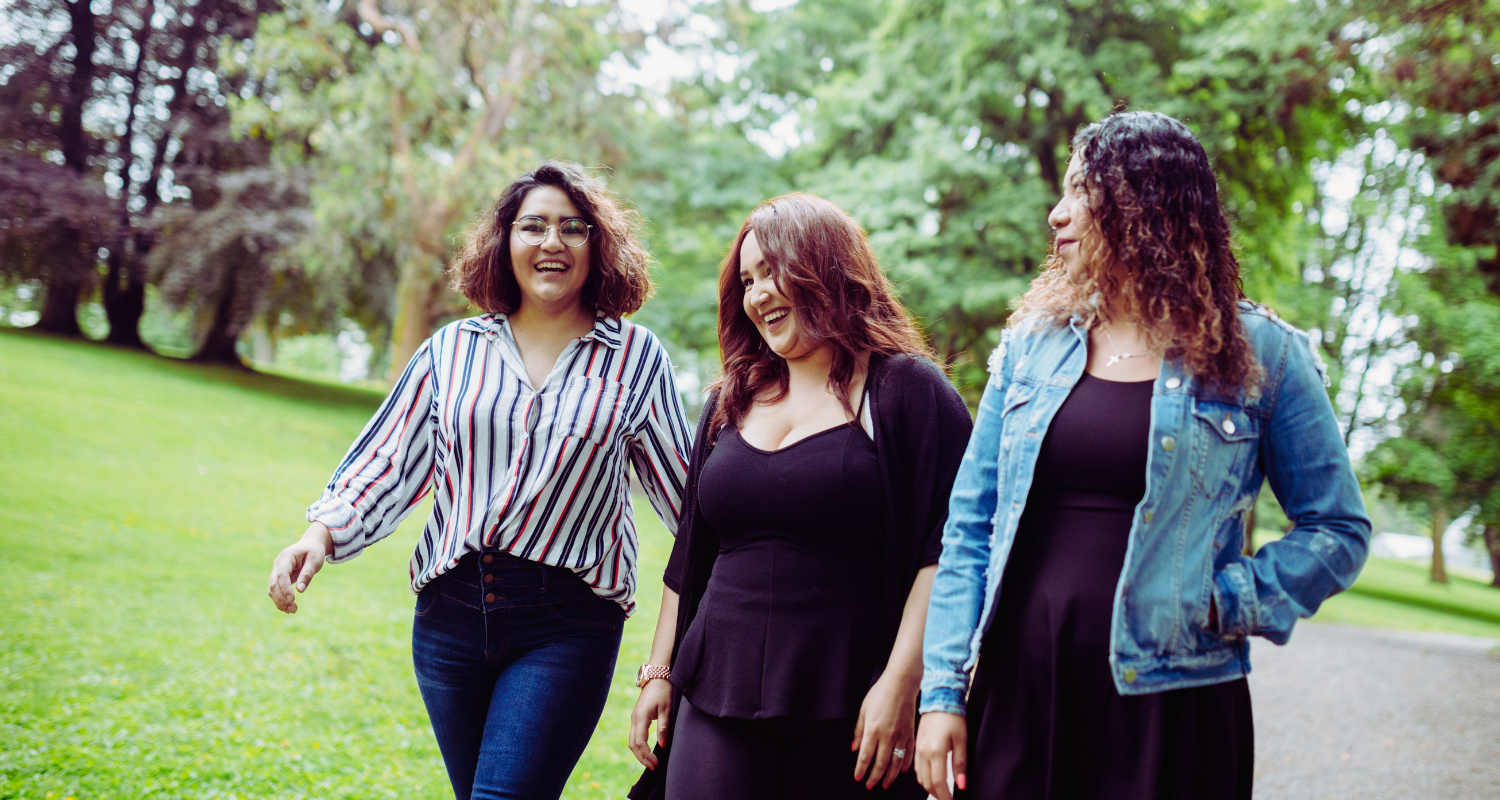
Getting outdoors for a weekly walk.

How to get involved, any time of the year

Latino Conservation Week 2026 may be over, but its programming isn't done yet:

Join the Virtual Race. Log miles walked, run, or biked through October 15 — sign up on the Latino Conservation Week site.

Find a local event. The Hispanic Access Foundation's event finder stays searchable, and partner organizations, like Puentes in Monterey — run outdoor programs beyond conservation week.

Start small. Cruz's advice applies any time of year: a wildflower garden, a kitchen herb pot, or a first visit to the park down the street all count as showing up for conservation.

Read More

Chelo Alonso Built a Career As A ShowGirl on Her Own Terms, Then Walked Away

Chelo Alonso Built a Career As A ShowGirl on Her Own Terms, Then Walked Away

Europe wanted to sell her as spectacle but Afro-Latina actress and dancer Chelo Alonso who became a star in Europe, took the career, built a life, and left when she was ready.

—
Who Actually Created Hispanic Heritage Month? The Law, Explained

Who Actually Created Hispanic Heritage Month? The Law, Explained

Hispanic Heritage Month started as a week in 1968. Here's the law, and the president, that made it a month twenty years later.

—
Yma Sumac: The Peruvian Singer With a Five-Octave Voice

Yma Sumac: The Peruvian Singer With a Five-Octave Voice

Born on September 13, 1922, Yma Sumac became a global music icon with a voice spanning approximately four to five octaves. In our '100 BoldLatinas' series we honor the Peruvian singer who brought Andean influences to international stages and broke barriers for Latinas.

—
5 Films and Resources That Center Latino and Immigrant Stories of 9/11

5 Films and Resources That Center Latino and Immigrant Stories of 9/11

Five films, interviews and resources that restore Latino and immigrant experiences to the story of September 11.

—

Join our community

Get weekly inspiration for living well delivered straight to your inbox.