

Latina Boxers Breaking Barriers: 5 Fighters to Know in 2026
One holds a Guinness World Record. One retired undefeated and undisputed. Three more are fighting their way to Los Angeles. Five Latina boxers, and where each of them stands in 2026.

For the first time in 37 years, every Goldman Environmental Prize winner is a woman. A Latina is among them.

Armed men showed up at Yuvelis Morales Blanco's home in Colombia in early 2022. She left for France and sought asylum. The fight she started back home kept going without her, and two years later Colombia's Constitutional Court ruled in her community's favor.
This year, she won the Goldman Environmental Prize, the award known as the "Green Nobel." So did five other women. For the first time since the prize was founded in 1989, every one of the six winners, one from each of the prize's six global regions, was a woman.
That is not a coincidence of the selection committee. It is a picture of who actually does this work. When a river is poisoned or a mine is proposed, it is rarely the executives who pay first. It is mothers, young organizers and community leaders who end up between the project and the water their families drink.
Here is who won in 2026, what they won, and why it should matter to us, Latinas.
The six 2026 winners, announced in April, are Yuvelis Morales Blanco (Colombia), Alannah Acaq Hurley (United States), Theonila Roka Matbob (Papua New Guinea), Sarah Finch (United Kingdom), Borim Kim (South Korea) and Dr. Iroro Tanshi (Nigeria). It is the first all-women cohort in the prize's 37-year history.
Morales grew up in the Afro-Colombian community of Puerto Wilches, on the banks of the Magdalena River, Colombia's largest, where oil pollution already threatened the fish and farms local families depend on. When the government advanced two pilot fracking projects there, she co-founded the youth group AguaWil, which went door to door warning neighbors about what fracking could mean for their water.
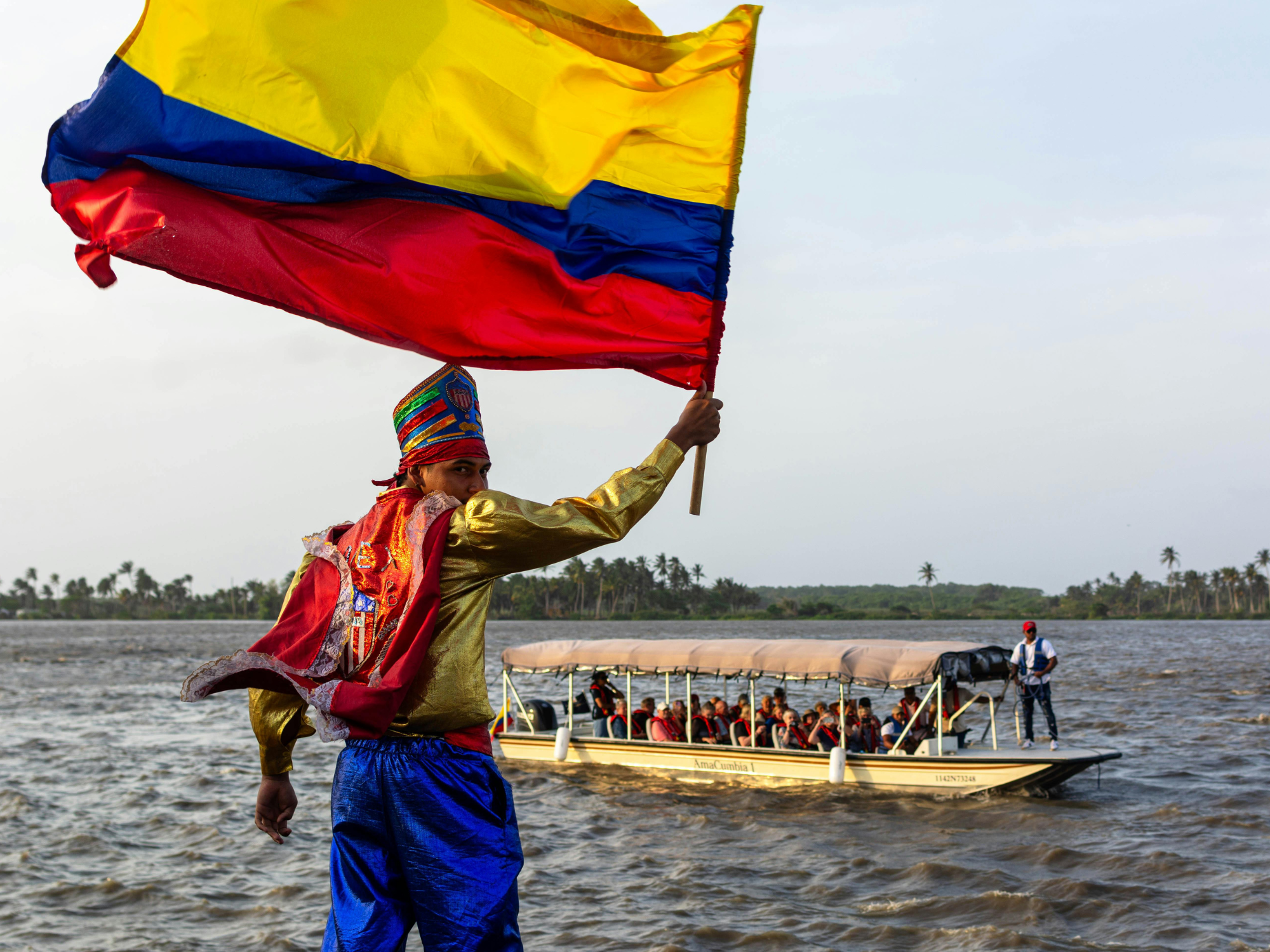
After armed men came to her home, she went into exile in France. Her coalition kept organizing. In August 2024, Colombia's Constitutional Court found that the pilot projects had violated the Afro-Colombian community of Puerto Wilches' right to free, prior and informed consent, according to the Goldman Environmental Prize.
She was 24 when the prize was announced.
The U.S. Environmental Protection Agency defines fracking, short for hydraulic fracturing, as a method of extracting oil or natural gas by injecting high-pressure fluid into underground rock. It can increase energy production, but it also raises concerns about water use, pollution, earthquakes, and climate impacts.
Morales' story repeats, with different river environments, around the world.
Because the pattern is familiar. Women are often the first to notice the water tastes wrong, the first to show up at the hearing, and the last to be credited.
For Latinas, Afro-Latinas and Black women across the U.S. and Latin America, environmental health is not a distant topic. It shows up in tap water, in utility bills, in a child's inhaler and more. And it is often Latin American women doing the most dangerous version of this work: Latin America remains the deadliest region in the world for land and environmental defenders, according to annual tallies by the watchdog group Global Witness.
Real environmental progress rarely starts at a summit. It starts in a neighborhood meeting, a kitchen table conversation, and a woman who decides she is not moving.
Which of these six fights looks most like one happening in your community? Tell us.
One holds a Guinness World Record. One retired undefeated and undisputed. Three more are fighting their way to Los Angeles. Five Latina boxers, and where each of them stands in 2026.

In this installment of BoldLatina’s Community Essay series, author, award-winning filmmaker, and keynote speaker Denise Soler Cox whom we previously interviewed about language and Latino cultural identity in “Being Latino Enough” reflects on the rape case that has shaken the nation.

Mattel's newest Día de Muertos collection arrives with red satin, sugar-skull masks, and embroidery pulled from Mexican pottery.

Selena Quintanilla’s estate is suing Shein over allegedly unauthorized merchandise bearing her image, raising questions about who profits from a woman’s likeness; what the case could mean for Latina creators.
Get weekly inspiration for living well delivered straight to your inbox.