

Latina Boxers Breaking Barriers: 5 Fighters to Know in 2026
One holds a Guinness World Record. One retired undefeated and undisputed. Three more are fighting their way to Los Angeles. Five Latina boxers, and where each of them stands in 2026.

Microplastics have been detected in food, drinking water and human tissue, including the brain and arterial plaque. What does that mean for Latino families?

Microplastics are showing up in places scientists never expected to find them. Tiny plastic particles have been detected in food, drinking water, household dust and human tissue, raising questions about what long-term exposure could mean for human health.
For Latino families in the United States, the issue also intersects with a larger environmental justice question. Food access, income, working conditions and where people live can affect exposure to environmental pollutants and how easy it is to reduce contact with plastics.
Microplastics are plastic particles smaller than five millimeters. Even smaller particles are commonly referred to as nanoplastics.
Plastic particles can enter food through water, soil, food processing, packaging and airborne contamination. Researchers have detected them in seafood, drinking water, packaged foods and salt.
A 2019 review of seven studies found microplastics in 94% of the salt products tested. This does not mean 94% of every salt product worldwide is contaminated. Instead, the finding demonstrates how widespread plastic pollution has become across the global food system.
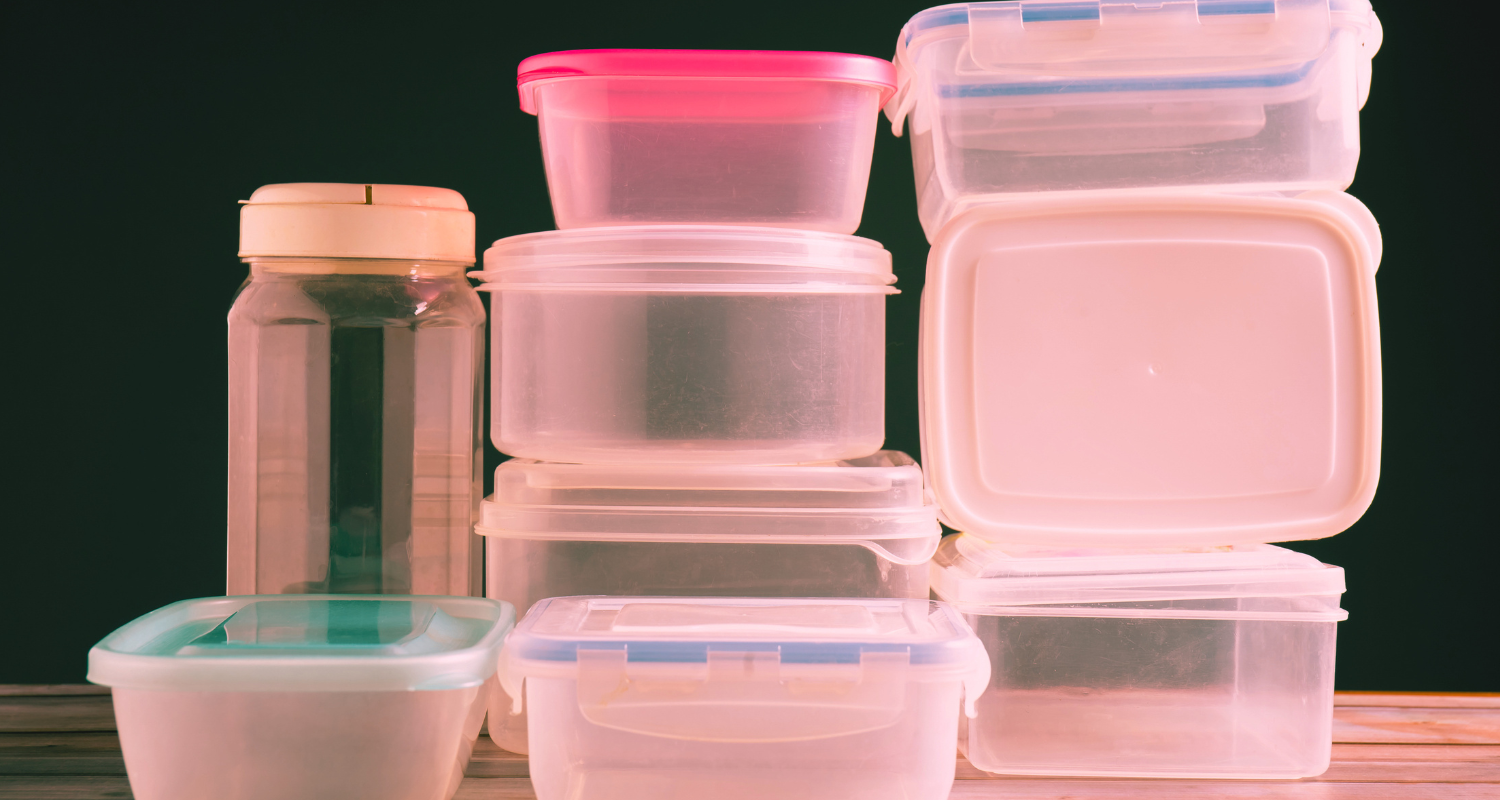
Studies suggest that heat can increase the release of microplastics and nanoplastics from certain plastic food containers.
How much plastic is released varies based on the material, temperature, length of heating, age and condition of the container, and the food or liquid inside it.
For families who pack lunches or depend on microwaves at work, this is an everyday source of exposure that can be relatively easy to reduce. Transferring food into glass or ceramic before reheating it is one practical precaution.
Microplastics should not be confused with chemicals associated with some plastics, including BPA and certain phthalates. Microplastics are physical particles, while BPA and phthalates are chemicals that can be used in or associated with plastic products.
Some of these chemicals can interfere with hormonal signaling and have been studied for potential reproductive, developmental and metabolic effects.
Yes. Scientists have detected microplastics in human brain tissue, although what those particles mean for human health remains uncertain.
A University of New Mexico-led study published in 2025 found higher concentrations of microplastics in brain tissue than in liver or kidney samples. Researchers also found higher concentrations in brain samples from people with documented dementia compared with those without dementia.
The finding does not prove that microplastics cause dementia. Scientists still need to determine whether plastic particles contribute to disease, accumulate because of changes associated with illness, or have another relationship entirely.
A separate 2024 study published in JAMA Network Open detected microplastics in eight of 15 human olfactory bulb samples.
Together, these findings have intensified research into how microplastics travel through the human body.
Researchers have also detected microplastics and nanoplastics in arterial plaque.
A 2024 study of patients undergoing surgery for carotid artery disease found that people whose arterial plaque contained microplastics or nanoplastics experienced higher rates of heart attack, stroke or death during the follow-up period.
The research found an association, not proof that microplastics directly caused those outcomes.
That distinction is important. Scientists increasingly know where microplastics are appearing in the human body, but determining exactly how those particles affect health requires considerably more research.
There is not enough evidence to conclude that Latinos universally experience greater microplastic exposure. However, the conditions that influence environmental health are not distributed equally.
Food prices, access to affordable groceries, long work schedules and dependence on heavily packaged convenience foods can affect how much control families have over plastic use.
Occupation deserves attention, too. Latinos represent a significant share of workers in industries where exposure to dust, synthetic materials, waste or other environmental pollutants can be a concern.
Neighborhood conditions add another layer. Latino communities have historically faced disproportionate exposure to certain forms of air pollution and industrial contamination, particularly in communities near highways, ports, factories and waste facilities.
These disparities do not prove higher microplastic exposure among Latinos. They do show why researchers should examine microplastics through an environmental justice lens instead of assuming everyone experiences plastic pollution equally.
Completely avoiding microplastics is nearly impossible, but families can take practical steps to reduce unnecessary exposure.
Avoid heating food in plastic when possible. Transfer meals to glass or ceramic before microwaving them. Consider glass or stainless steel for food storage, and gradually replace plastic containers that are scratched, damaged or heavily worn.
Choosing foods with less plastic packaging may also reduce contact with plastic, but affordability and accessibility matter. Fresh and minimally packaged foods can cost more, require more preparation time or be harder to find in some neighborhoods.
Families should not carry the entire responsibility for a global pollution problem.
Reducing microplastic exposure also requires manufacturers to reconsider unnecessary packaging, researchers to investigate long-term health effects and policymakers to address how plastics and plastic-associated chemicals enter the food supply.
The science around microplastics and human health is still developing. What is already clear is that plastic pollution has moved far beyond our oceans. It has entered our food system and our bodies.
The next question is not simply how individuals can avoid it. It is how industries and governments can reduce exposure before plastic becomes an even greater public health problem.
At BoldLatina, we want to hear from you. Have concerns about microplastics changed how you store, prepare or reheat food? Share your experience in the comments.
One holds a Guinness World Record. One retired undefeated and undisputed. Three more are fighting their way to Los Angeles. Five Latina boxers, and where each of them stands in 2026.

In this installment of BoldLatina’s Community Essay series, author, award-winning filmmaker, and keynote speaker Denise Soler Cox whom we previously interviewed about language and Latino cultural identity in “Being Latino Enough” reflects on the rape case that has shaken the nation.

Mattel's newest Día de Muertos collection arrives with red satin, sugar-skull masks, and embroidery pulled from Mexican pottery.

Selena Quintanilla’s estate is suing Shein over allegedly unauthorized merchandise bearing her image, raising questions about who profits from a woman’s likeness; what the case could mean for Latina creators.
Get weekly inspiration for living well delivered straight to your inbox.