
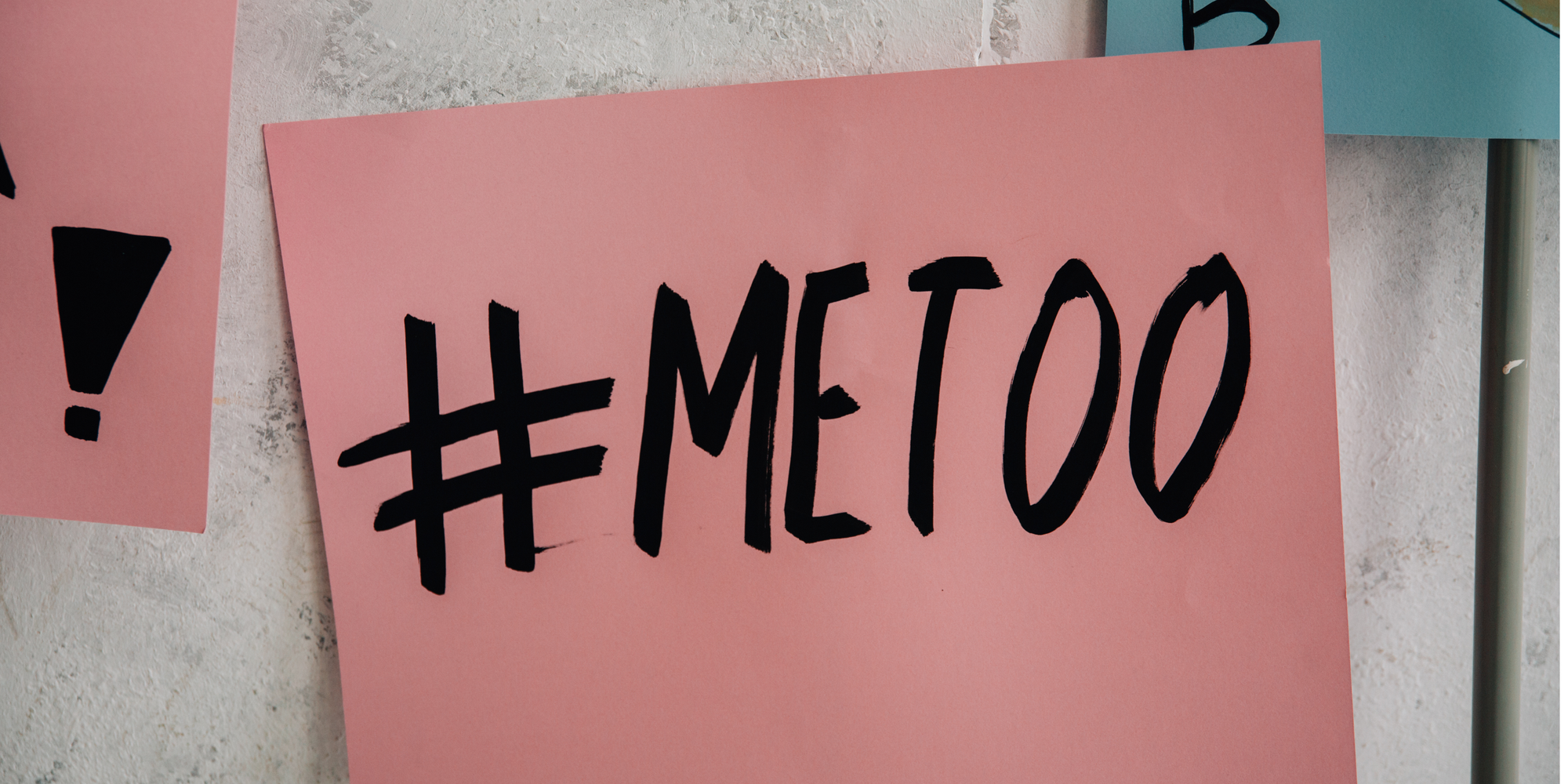
#MeToo Colombia: How a Televisión Scandal Sparked a Nationwide Reckoning

A single complaint at Colombia’s top TV network has sparked a wave of testimonies from women across the media industry. #MeToo Colombia is more than a moment...it’s a reckoning.

#MeToo Colombia: How a Televisión Scandal Sparked a Nationwide Reckoning

#MeToo Colombia began with a sexual harassment report against two male news anchors at Caracol Televisión, Colombia’s most-watched channel. After having activated internal legal protocols, everyone thought the issue would end there… but it didn’t.

Within days, more than 200 women journalists shared their own cases of sexual harassment at work, some going back to 1993. What began as one journalist's refusal to be silent has turned into a movement. This movement is changing how people confront gender violence. How did it spread so quickly?

Here’s how this story unfolded and the importance of speaking up as women, no matter what.

What Is #MeToo Colombia and How Did It Start in Journalism?

As we all know, the original #MeToo movement was founded in the U.S. by Black activist Tarana Burke in 2006, long before it went viral in 2017. But its roots were always about women with less power speaking truth to those with more. 

Colombia’s #MeToo movement recently surged into public attention through a growing movement of women journalists in Colombia exposing sexual harassment specifically in the Colombian journalism industry, sparked by allegations at Caracol Televisión. 

How the Caracol Televisión Case Sparked a Movement

After reading Caracol Televisión’s PR statement, journalist Catalina Botero (who had worked with the news outlet for four years) couldn’t hold her outrage any longer.

According to reporting by BBC Mundo…

“Phew, I'm glad someone dared to speak out and that they're finally being scrutinized, because if I were to speak up... hmm... Many of us weren't heard; many don't speak out so as not to have doors closed on them in the media or cause a scandal. Obviously, I thought about it a thousand times before posting this tweet, but that fear has to end,” she posted on X that same day.

This testimony reflects broader patterns of workplace harassment in Colombian media organizations.

Not 10 minutes had passed when testimony after testimony began to line up, reaching nearly 700 comments. Monica Rodríguez, who has extensive experience in the media and worked for Caracol for 10 years, quickly shared the messages and expressed her solidarity on social media, where she also began receiving reports of abuse. Paula Bolívar and Laura Palomino, founders of the independent news outlet Brava News, soon joined in and proposed setting up a secure channel for reporting abuse. That’s how the #MeTooColombia and #YoTeCreoColega (“#IBelieveYouPartner”) hashtags came to life, along with the email yotecreocolega@gmail.com

They received testimony not only from journalists, but also from producers, makeup artists, and all the staff who help the media go live every day. They connected the dots and started to see similarities between these victims, women suffering from the machismo culture embedded in newsrooms. 

“In the emails, we’ve identified several patterns. Hierarchy. Abuse of power occurs when the perpetrator uses their influence to control job security, career advancement, and access to opportunities. Repeat patterns of abuse. Several testimonies point to the same individuals over decades. As for the profile of the victims, they are mainly women in internships or recent graduates. Their inexperience, their desire to make a name for themselves, and the precarious nature of their contracts are exploited,” explained Paula Bolívar in an interview with BBC Mundo.

A few days later, in response to numerous complaints, the Attorney General’s Office announced the launch of an investigation into two news anchors over allegations of sexual harassment. Hours later, Caracol Televisión issued a second statement announcing that it had terminated their employment contracts.

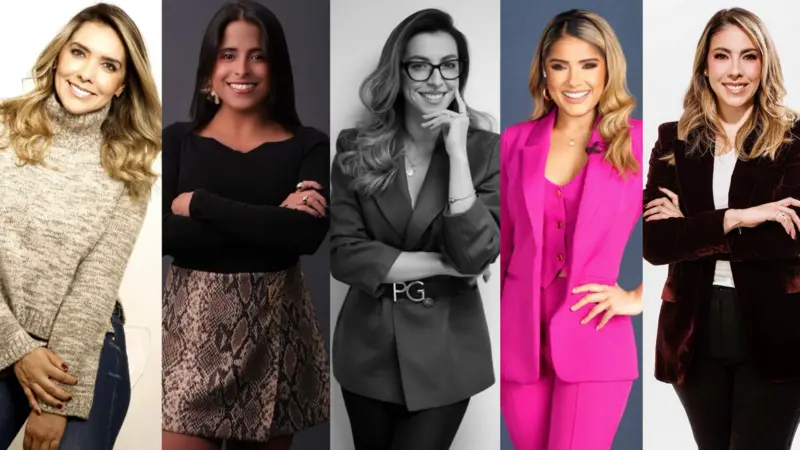
Credit: BBC Mundo. Las Periodistas: Mónica Rodriguez, Laura Palomino, Paula Bolivar, Caralina Botero y Juanita Gómez son las periodistas colombianas detrás de la campaña #YoTeCreoColega.

Why Women Journalists Face Higher Risks of Harassment

Journalism is power. It shapes narratives, holds institutions accountable, and decides whose stories get told. That is exactly why controlling female journalists through harassment and intimidation is a political act, not just a workplace problem.

According to UNESCO research on women in journalism, nearly 75% of female journalists surveyed globally reported experiencing some form of online or in-person violence in their careers. In Latin America, where press freedom is already under threat, the number who speak out remains far lower. The cost of disclosure is high: lost jobs, damaged reputations, and in some cases, physical danger.

This violence isn’t new and can be relentless, especially when it comes from anonymity. In 2021, Colombian writer and illustrator Valentina Toro decided to publicly speak out against the cyberbullying she began experiencing two years prior from an “admirer” who fetishized women with disabilities. After blocking up to 15 Instagram accounts of the same man, he created a profile using photos of her in bathing suits or blouses, with her arms visible. 

“Reporting this page is also difficult. We’ve already tried from many accounts, in many different ways, and we haven’t received a response because Instagram’s algorithm can’t detect the violation…it’s very well disguised. The photos are there, but they don’t reveal anything. It’s not just my identity that’s been stolen; there are photos of many women,” Valentina explained in an interview with El Tiempo. 

Online harassment of women journalists and creators in Latin America has become increasingly common across digital platforms.

Why This Movement Matters for U.S. Latinas

The impact of sexual harassment in journalism extends beyond Colombia and affects Latina journalists across the United States and Latin America. The women of #MeTooColombia didn’t just speak for themselves. They spoke for every woman who was told her discomfort was inconvenient, her testimony was unreliable, and her career was on the line if she opened her mouth.

This is why cross-border solidarity matters because our struggles are connected. The machismo that silenced a journalist in Bogotá is the same culture that tells a Latina in the media industry in Chicago to “just let it go.” When we amplify these stories, we strengthen every woman’s case, including our own.

✔️
Key Takeaways:
#MeToo Colombia began after allegations at Caracol Televisión Hundreds of journalists shared workplace harassment experiences Women journalists in Latin America face systemic risk in media industries

What to Do If You Experience Workplace Harassment

If you are experiencing workplace harassment in journalism or media or other workplace, you are not alone. Document everything and seek out organizations like Equal Rights Advocates, TIME’S UP Legal Defense Fund, or your EEOC office.

Your story has value. Your silence protects no one but the person who harmed you.


Resumen en español

El artículo describe el surgimiento del movimiento #MeToo Colombia, que comenzó con una denuncia de acoso sexual contra dos presentadores de Caracol Televisión. Aunque inicialmente parecía un caso aislado, rápidamente se convirtió en un fenómeno colectivo. En poco tiempo, cientos de periodistas y trabajadoras de medios compartieron experiencias similares, algunas ocurridas hace décadas. El detonante fue una publicación en X de la periodista Catalina Botero, que impulsó una ola de testimonios en redes.

Read More

Jaafar Jackson’s Colombian Roots Reveal Michael Jackson’s Ties to Latinos

Jaafar Jackson’s Colombian Roots Reveal Michael Jackson’s Ties to Latinos

As entertainment newcomer Jaafar Jackson steps into one of the most anticipated music biopics in recent years, many fans are learning more about the Jackson family’s unexpected connection to Latin America. Jaafar is the nephew of Michael Jackson and the actor portraying him in the upcoming film Michael he

How Climate Change Is Disrupting Coffee Production in Latin America and What It Means for Your Cup

How Climate Change Is Disrupting Coffee Production in Latin America and What It Means for Your Cup

Coffee production in Latin America is being reshaped by climate change, however Latino coffee producers are adapting and innovating in ways that deserve our attention.

5 Latin American Films to Watch in 2026

5 Latin American Films to Watch in 2026

Latin American films have been making waves in the festival scene for years. These five films highlight the power, complexity, and global rise of Latinx storytelling in 2026.

Black and Latino Political Power, and What the Supreme Court Rulings Mean Over Our Voting Rights

Black and Latino Political Power, and What the Supreme Court Rulings Mean Over Our Voting Rights

Voting rights for Black and Latino communities are being gutted by the Supreme Court. Changes include access to the ballot.

Join our community

Get weekly inspiration for living well delivered straight to your inbox.