
5 Latin American Films to Watch in 2026
Latin American films have been making waves in the festival scene for years. These five films highlight the power, complexity, and global rise of Latinx storytelling in 2026.
Coffee production in Latin America is being reshaped by climate change, however Latino coffee producers are adapting and innovating in ways that deserve our attention.
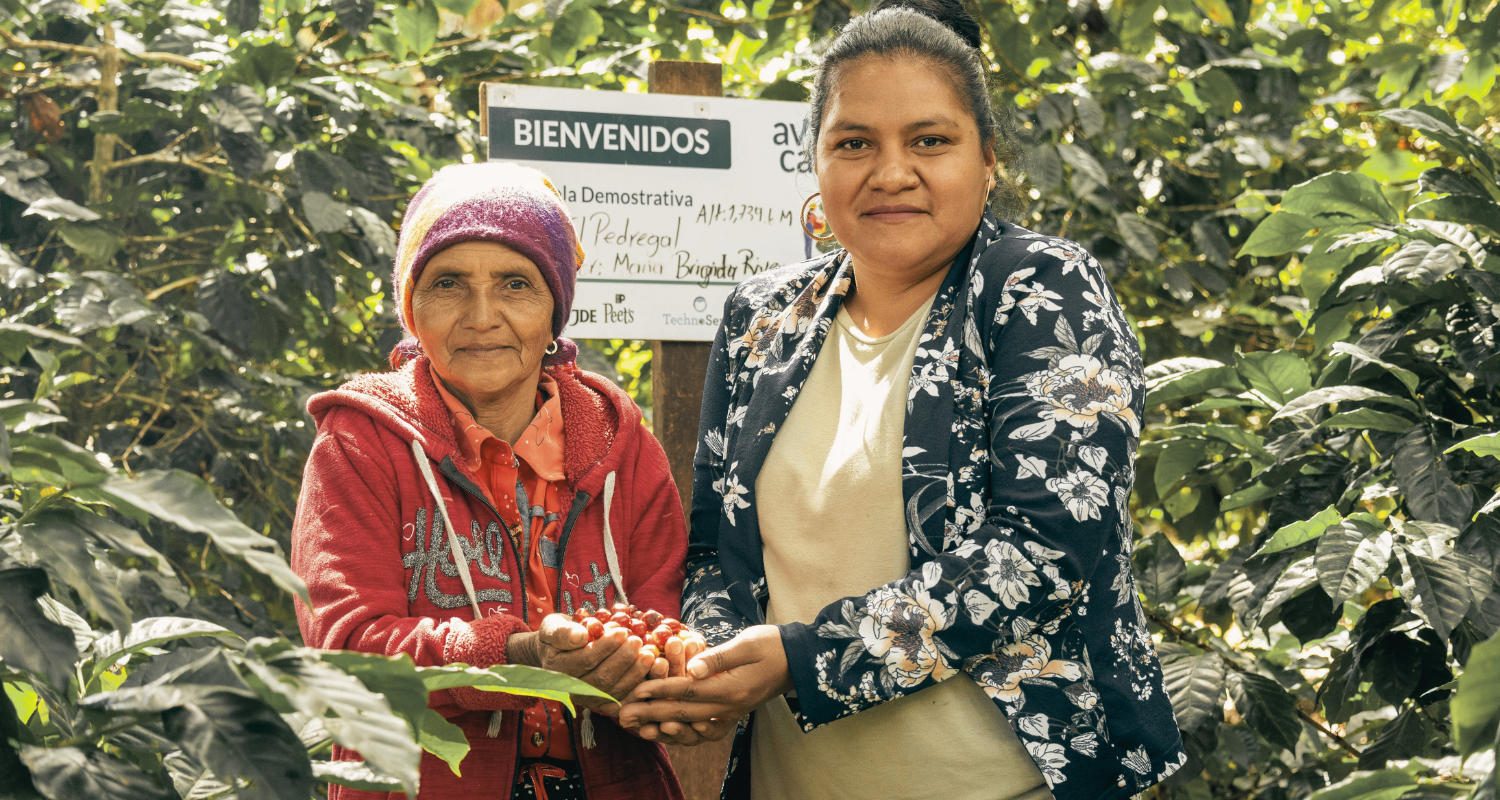
Coffee farmers in Latin America are making decisions that feel heavier every year. Climate change is increasingly disrupting coffee production across Latin America. This shift is forcing coffee farmers to adapt or risk losing entire harvests.
Do they invest in new shade systems they may not be able to afford? Do they move their crops higher into the mountains, where land is limited and fragile? Or do they stay where they are knowing the next heatwave could undo an entire harvest?
For many in the coffee belt including Latin American countries, coffee is no longer just a standard crop. It is the most important and fragile commodity.
Coffee depends on a delicate balance of shade, humidity and time to recover from the cold. As this balance shrinks, adapting through better soil health and climate-resilient agriculture is no longer optional.
A new Climate Central analysis shows how climate change generated harmful heat for coffee production between 2021 and 2025, potentially affecting the quality and quantity of recent harvests. The 25 coffee-producing nations analyzed including the top five powerhouses of Brazil, Vietnam, Colombia, Indonesia and Ethiopia account for approximately 97% of global coffee production. These countries have experienced an average of 57 additional days of harmful heat, with temperatures registering above 86 degrees Fahrenheit (30 degrees Celsius) annually due to climate change.
A March 2026 report issued by the U.S. Department of Agriculture through its Foreign Agricultural Service confirmed Climate Central’s predictions. It warns that persistent temperatures above 86 degrees Fahrenheit in key regions like Brazil's Minas Gerais or Vietnam's Central Highlands are not only reducing harvest volume but also bean quality in terms of density and acidity.
The report projects a growing gap for 2026 between global consumption and the production capacity of the 25 top nations. It also highlights an increase in export costs because farmers are spending more on irrigation systems and artificial shade to mitigate those 57 additional days of heat.
Looking back at previous years, coffee reached a record price in December 2024, and the price rose again by early 2025, specifically in February, according to reports by the USDA and the International Coffee Organization (ICO).
Extreme drought in Brazil affected the expected harvest's flowering, and Vietnam suffered a 20% drop in production due to the heat. As a result, on Feb. 6, 2025, Arabica coffee in New York hit a high of $4.40 to $4.41 per pound, breaking a nearly 50-year record.
The USDA’s "Coffee: World Markets and Trade" report and other analyses showed how physical coffee shortages worsened financial panic, which was heavily amplified by trade tensions that triggered preventative buying over fears of new tariffs and logistical blockades. According to the March 2026 report, this crisis led many roasters to use a higher percentage of Robusta coffee (a lower-quality bean) in their products to avoid passing the entire cost on to consumers.
A positive on coffee production - though Colombia is the world's largest producer of mild Arabica, its Andean geography is extremely sensitive and a few dozen days of extreme heat a year, it is forcing coffee farmers to move their crops to higher altitudes, which is both expensive and limited and to innovate.
Companies like Progeny Coffee are vital for supporting the 60% of Colombian coffee farmers who lack the capital to relocate their farms or buy irrigation systems. In a recent interview, co-founder Maria Jose Palacio outlined the precarious situation:
"Coffee is a growing market. However, farmers live a different reality, producing below the profit margin. This creates a vicious cycle of poverty. As long as prices fluctuate on the stock market regardless of production costs, farmers will be at the mercy of fluctuations. We need a paradigm shift and to set healthy margins. It is absurd to think that coffee farmers produce, invest in their farms and receive payment based on the price of the day, without negotiating power. If people start demanding an equitable supply chain, large companies will have no choice but to adapt."
Coffee was once profitable when prices were regulated. Now, the lack of fair pricing has created social problems that must be addressed, starting with consumer and field education.

Climate change brings more extreme heat, altering rainfall patterns and shrinking arable land, which represents a massive challenge. Climate change threatens the amount of land available for coffee production. Without proper adaptation, suitable land area could shrink by 50% by 2050.
The future of coffee farming could migrate because of this. Current coffee-growing regions could become too hot over time, especially for heat-sensitive Arabica coffee. Regions that were previously unsuitable due to their altitude and temperatures could become more ideal in a warming world. While this could create economic opportunities in new areas, it could also trigger deforestation, as farmers seek higher altitudes for cultivation.
Sustainable agricultural practices can help farmers balance productivity with climate resilience. Planting a taller canopy of trees to shade coffee plants can protect them from damaging heat. Plants grown in full sun produce higher yields, but shade-grown coffee under native trees offers added ecological benefits by providing a habitat for wildlife and enriching the soil.
Coffee has always carried more than flavor it carries the history, labor, and resilience of Latin American farming communities.
Today, climate change is reshaping that legacy in real time. Rising temperatures and unpredictable weather are making coffee production more fragile and more expensive, forcing farmers to adapt and innovate like new models like Progeny Coffee, which is also building more stable and equitable systems.
For Latino communities, this is also personal. Coffee is part of daily life, culture, and connection across borders. Its future will depend on how quickly the world responds and whether the people who grow it are finally centered in that response.
Because every cafecito begins long before it reaches the cup.
For Latinas Who Refuse to Be Invisible. Bold Stories, News, Culture, and Opportunities for Latinas Shaping the Future.
No spam. Unsubscribe anytime.
Latin American films have been making waves in the festival scene for years. These five films highlight the power, complexity, and global rise of Latinx storytelling in 2026.
Voting rights for Black and Latino communities are being gutted by the Supreme Court. Changes include access to the ballot.
Nemonte Nenquimo’s We Will Be Jaguars tells a powerful story of Indigenous resistance, identity, and environmental justice making it essential reading for Latinas today.
Global Latina-owned cannabis brands are redefining the industry through culture, identity, and innovation across Latin America and the United States.
Get weekly inspiration for living well delivered straight to your inbox.