

Latina Boxers Breaking Barriers: 5 Fighters to Know in 2026
One holds a Guinness World Record. One retired undefeated and undisputed. Three more are fighting their way to Los Angeles. Five Latina boxers, and where each of them stands in 2026.

Three powerful books by Latina authors exploring motherhood, family, identity, and the experiences of mothers and daughters across generations.

The experiences of mothers and daughters often transcend generations, connecting us through shared histories, sacrifices, and traditions. By reading about other journeys through motherhood, we can gain a deeper understanding of our own lives and the women who helped shape them.
What books by Latina authors are about motherhood?
Carolina Acosta and Aralis Mejia are two first-gen Latinas who wanted their cultural heritage to live on, especially the wisdom passed down from their mamás, tías, and abuelas. Having been brought up under the firm hand of the chancla but nurtured by delicious home cooking, they wrote Mamá Didn’t Raise a Pendeja as a love letter to the women in their families.
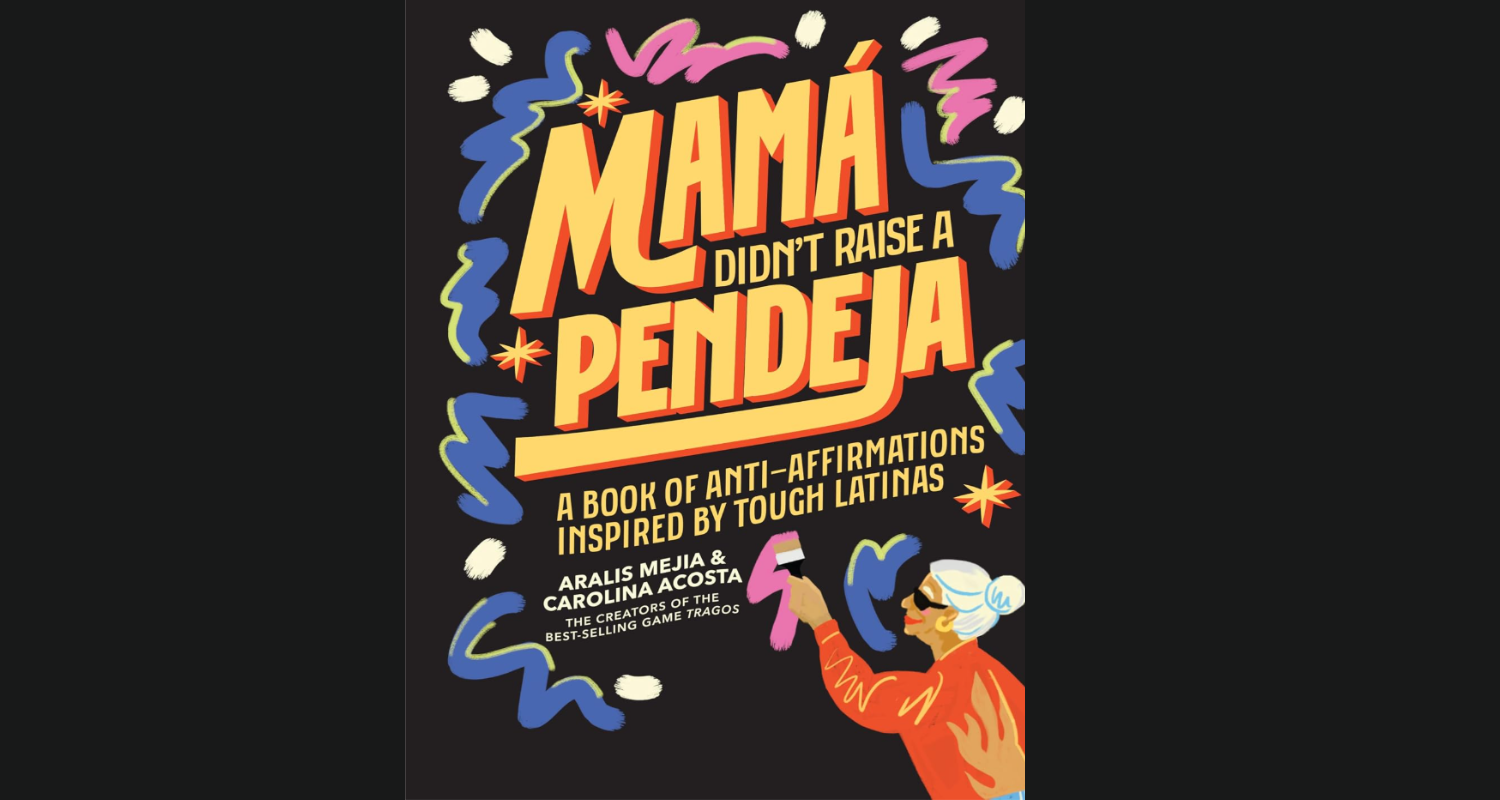
“Our mothers, Martha Lopez, nee Garcia, and Nidia Aragon, were the embodiment of resilience and strength. Born in Colombia, they both took brave leaps of faith, moving to new countries in pursuit of better lives for themselves and their families,” the book states.
The sayings this book immortalizes are powerful yet funny life lessons we Latinos live by, such as A palabras necias, oídos sordos (“Not all advice is worth listening to”). This “tough love” insight is how these two authors bridged the gap between them and their ancestors.
Here’s a relevant Goodreads review on the book:
“As a no sabo kid, sometimes I forget I am part of a culture that I don’t always understand. The book leaves me with such a feeling of belonging and calmness.”
Erika L. Sánchez is an American poet, novelist, and essayist. Her debut YA novel I Am Not Your Perfect Mexican Daughter was a massive hit, reaching the top of the New York Times bestseller list.
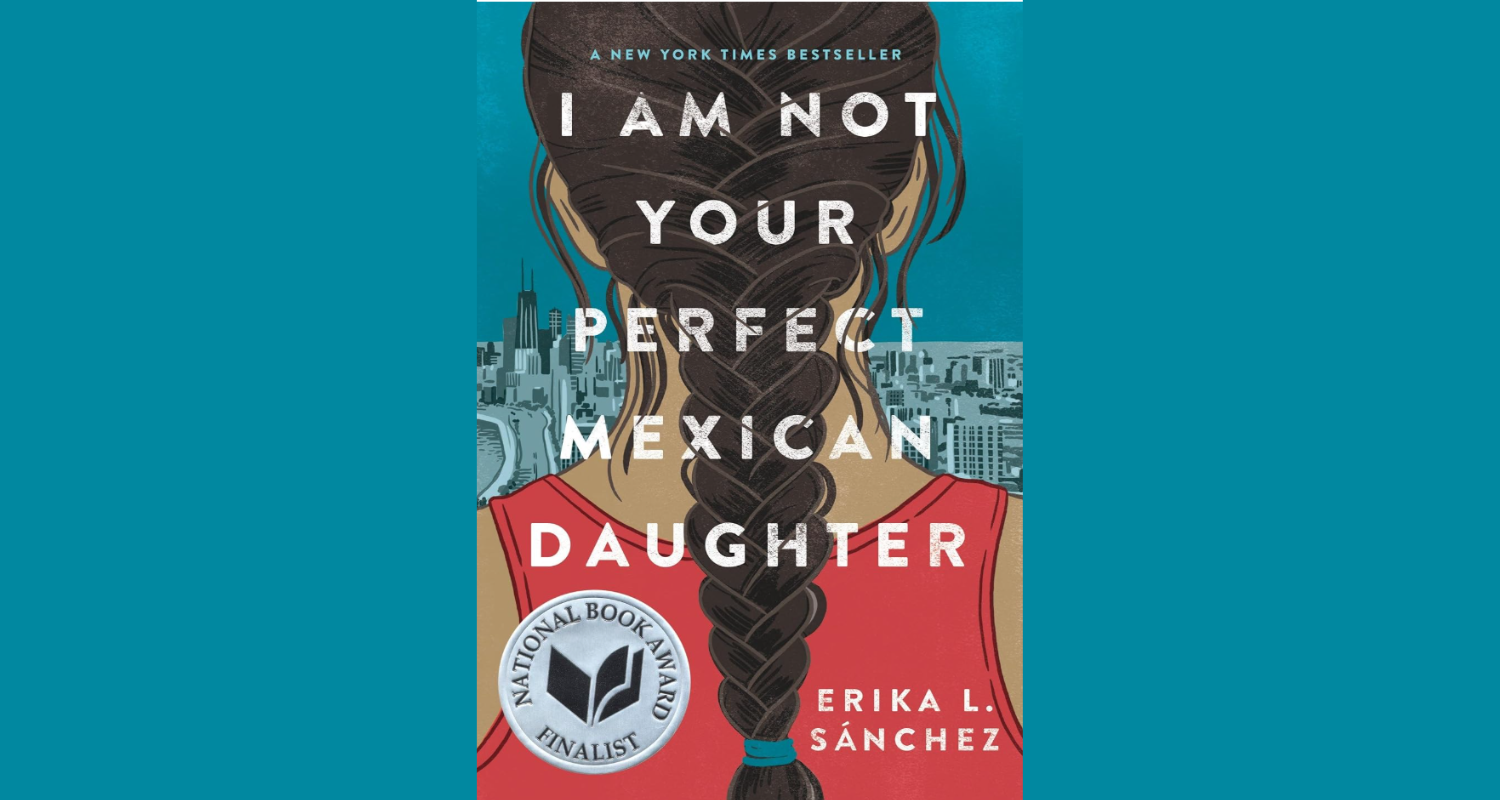
The story follows Julia, a young woman who has to hold her family together after the tragic loss of her sister Olga. While coping with grief, she has to bear her mother’s constant attacks on her way of life and how she strayed from the path that was laid in front of her by her Latin heritage.
“A few days ago, I tried to make beans, but they never softened, even though I boiled them for three hours. I nearly cracked my teeth on one. [...] This is the only time I wish I had let my mother teach me how to cook. But I hate the way she hovers over me and criticizes my every move…” Sánchez writes in her book.
Apart from her success in sales, the novel will become a feature film directed by America Ferrera, who will use the adaptation of Linda Yvette Chávez (Gentefied). The novel has been challenged or removed from school libraries and reading lists in districts across states including Texas, Florida, and Utah because of its candid discussions of sexuality, depression, race, and identity
Here’s a reader review that reflects upon the novel:
“It was a whole portrayal of Mexican culture, the good and bad. There was a beautiful mix of English and Spanish that felt right for the story. The characters were well-written and well-developed. I’m really grateful to read a book about Mexicans, not just vaguely Hispanic or have Hispanic side characters, but actually be about Mexicans.”
Being a working-class, brown, bisexual single mother in the US is challenging enough. But what happens when the country’s culture of racial profiling and police brutality affects your family? This is the story, author Ana Castillo tells in one of her autobiographical essays from Black Dove: Mamá, Mi'jo, and Me. This memoir explores her difficult relationship with her Mexican mother, the hardships of raising a son on her own, and the nightmare she endured when her son faced incarceration. As Castillo unravels the experiences that shaped her life, she addresses issues that define the difficult experiences of American minorities.
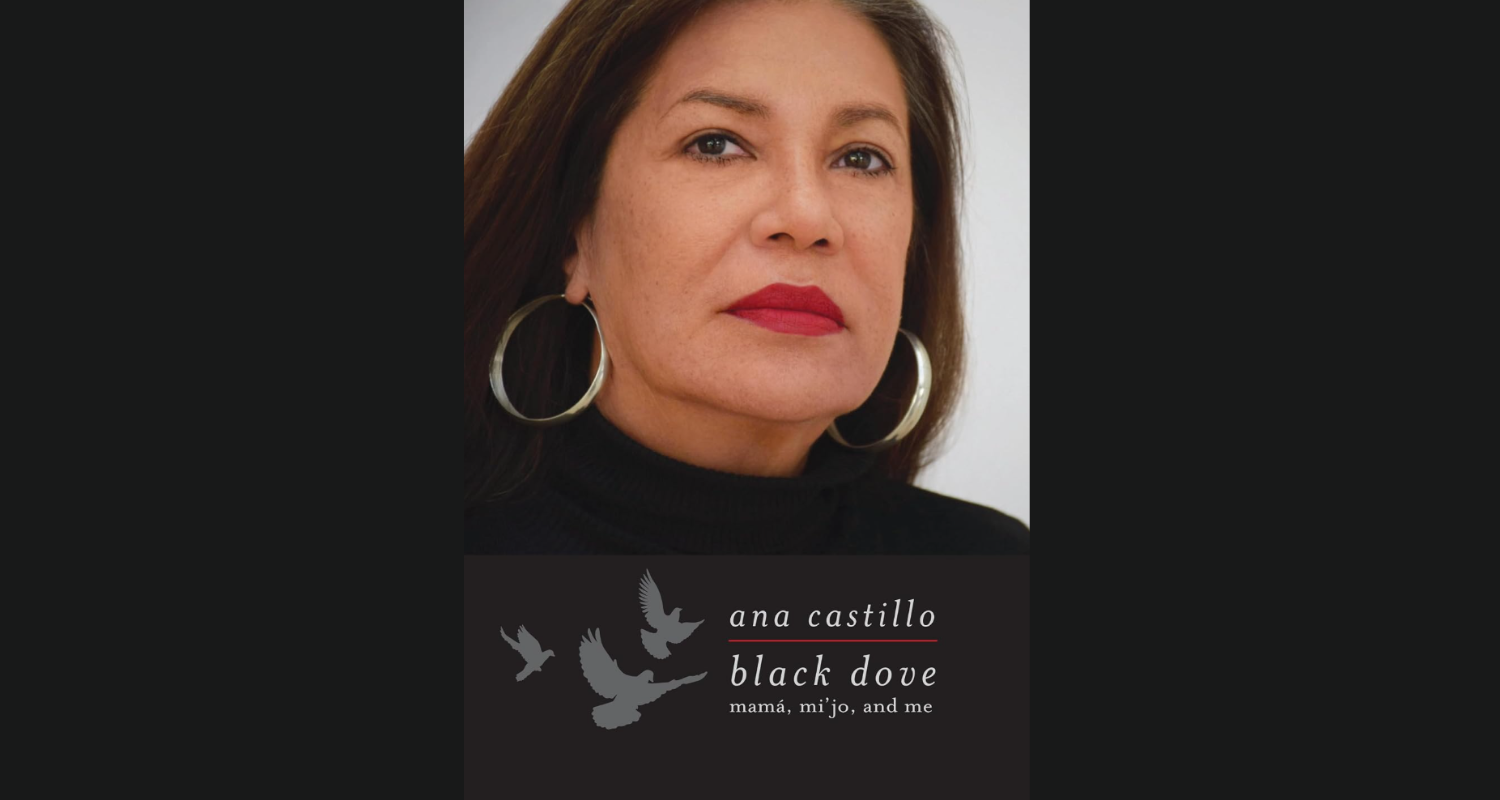
“I focus my observations on my own background because it has been critical throughout my life to find out who I am. You see, I never saw myself in history books. [...] In public schools, I grew up with a single Latino instructor with whom to identify; indeed, I had none in college,” she writes in her book.
From Mexico City to Chicago and from her grandmother to her granddaughter, Castillo reflects upon motherhood as a way of putting urgent social issues under the microscope.
Here’s a Goodreads review of the book you might like:
“As a reader, many of the issues Ms. Castillo faced, and faces, resonated with me: her struggles of poverty, single motherhood, and her worry for a child growing up in contemporary society with its harsh realities of drugs and racism. The love she has for her son really comes through, and one could feel how difficult life must have been without him.”
If you’ve found these books interesting, you may also enjoy the ones from this list:
Whether through humor, grief, or resistance, these authors remind readers that motherhood is not one story, it is a tapestry woven across languages, generations, and borders.
El artículo presenta tres libros de autoras latinas sobre la maternidad en Estados Unidos. Mamá Didn’t Raise a Pendeja (2024), de Carolina Acosta y Aralis Mejia, recupera consejos y frases heredadas de madres y abuelas latinas; I Am Not Your Perfect Mexican Daughter, de Erika L. Sánchez, explora los conflictos entre una joven mexicoamericana y su madre; y Black Dove: Mamá, Mi'jo, and Me, de Ana Castillo, reflexiona sobre la maternidad, el racismo y las dificultades de criar un hijo como madre soltera latina en EE. UU.
One holds a Guinness World Record. One retired undefeated and undisputed. Three more are fighting their way to Los Angeles. Five Latina boxers, and where each of them stands in 2026.

In this installment of BoldLatina’s Community Essay series, author, award-winning filmmaker, and keynote speaker Denise Soler Cox whom we previously interviewed about language and Latino cultural identity in “Being Latino Enough” reflects on the rape case that has shaken the nation.

Mattel's newest Día de Muertos collection arrives with red satin, sugar-skull masks, and embroidery pulled from Mexican pottery.

Selena Quintanilla’s estate is suing Shein over allegedly unauthorized merchandise bearing her image, raising questions about who profits from a woman’s likeness; what the case could mean for Latina creators.
Get weekly inspiration for living well delivered straight to your inbox.