

Latino Artists Who Performed at the Super Bowl Halftime Show
Bad Bunny headlining Super Bowl. LX. and the conversation around him reveals why Latino representation in American culture still matters.


When I read about the murder of Claudia Patricia Gómez González, I felt a chilling mix of anger and numbness. A young woman seeking a better life, killed by our government.
Nothing new.
But somehow this story caught the media’s attention. So what are we going to do with it?
As an activist, the question I am always asking myself is, “What can I do?”
Immigrants, like my own parents, come to the United States, a place where they are systematically harassed, discriminated against, and murdered, for a better life. Many people are speaking up about these cruelties and injustices, but the conversation doesn’t seem to go deeper than advocating against our militarized border control.
I started wondering about what is happening to people like Claudia in Guatemala, and I found out that they have been fighting unimaginable corruption for over half a century. In 1952, Guatemalan President Jacobo Arbenz Guzman redistributed land to half a million people, most of which were poor and indigenous. But 40 percent of this land had previously belonged to United Fruit Company (UFC), whose profits suffered due to the passing of fair labor laws, and now they feared more financial loss due to this Agrarian Reform Law. The U.S., with major ties to UFC, saw this as a communist threat, which lead to their aid in the overthrowing of President Guzman. This started a 36-year civil war, resulting in over 200,000 deaths, most of which were, to no surprise, indigenous peoples. Forty five thousand activists “disappeared” and over a million people were displaced from their homes. The war ended less than 20 years ago and was only officially classified a genocide in 1999.
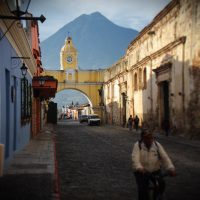 Today, Guatemala has the largest economy of Central America, but over half of its population lives in poverty. Indigenous people like Claudia have been stripped of their land, face poor working conditions, and cannot gain legal representation and justice due to a lack of translators and interpreters that speak their language.
So when Americans complain about immigrants like Claudia coming to the United States illegally and stealing American jobs, they are holding her accountable for a problem that our government created. And Guatemala is not alone; this pattern is found in many of our relationships with other countries.
How do we fix this? I don’t necessarily have the answer. But I know it doesn’t end at the border. If we care about Claudia’s murder, then we must stand in solidarity with the communities she left behind, the communities that our government murdered beyond our borders.
I encourage you to do your research, and support nonprofit organizations like Grupo de Apoyo Mutuo that are fighting for those affected by these injustices.

Karla Vargas for La Raza For Liberation
Bad Bunny headlining Super Bowl. LX. and the conversation around him reveals why Latino representation in American culture still matters.

In the early hours of January 3, 2026, explosions woke residents across Caracas and nearby states, plunging Venezuela into uncertainty. As official media stayed silent, citizens turned to WhatsApp and social platforms. Through firsthand accounts, this story captures the fear that followed.

As Indigenous migrants from Mexico and Central America build lives in the U.S., demand for Mayan language interpretation is rising. When systems assume all Latinos speak Spanish, people fall through the cracks. Here’s what’s changing and why it matters.

While global leaders debate policy, Latina scientists are building solutions now—rooted in community needs and environmental reality. From nopal-based bioplastics to shrimp-shell filtration and smart agriculture sensors, these innovators show what climate progress looks like on the ground.
Get weekly inspiration for living well delivered straight to your inbox.