

Latino Artists Who Performed at the Super Bowl Halftime Show
Bad Bunny headlining Super Bowl. LX. and the conversation around him reveals why Latino representation in American culture still matters.



Over the past few years, since the Trump administration, civic leadership, social issue advocacy and participation have been on the rise. More Latinx elevating our community through policy work and sitting at the decision-making table like Congresswoman Alexandria Ocasio-Cortez. Above all, a fierce movement of Latinas have been making moves to have their voices be heard. Latina civic leader, Daisy Prado is one of them!
We speak with Daisy on her new role in San Francisco, a city with a history of social and grassroots movements occurring. And why Daisy wants to ensure women and girls get equal economic, social, political and educational opportunities in one of the nation’s most powerful city, San Francisco.
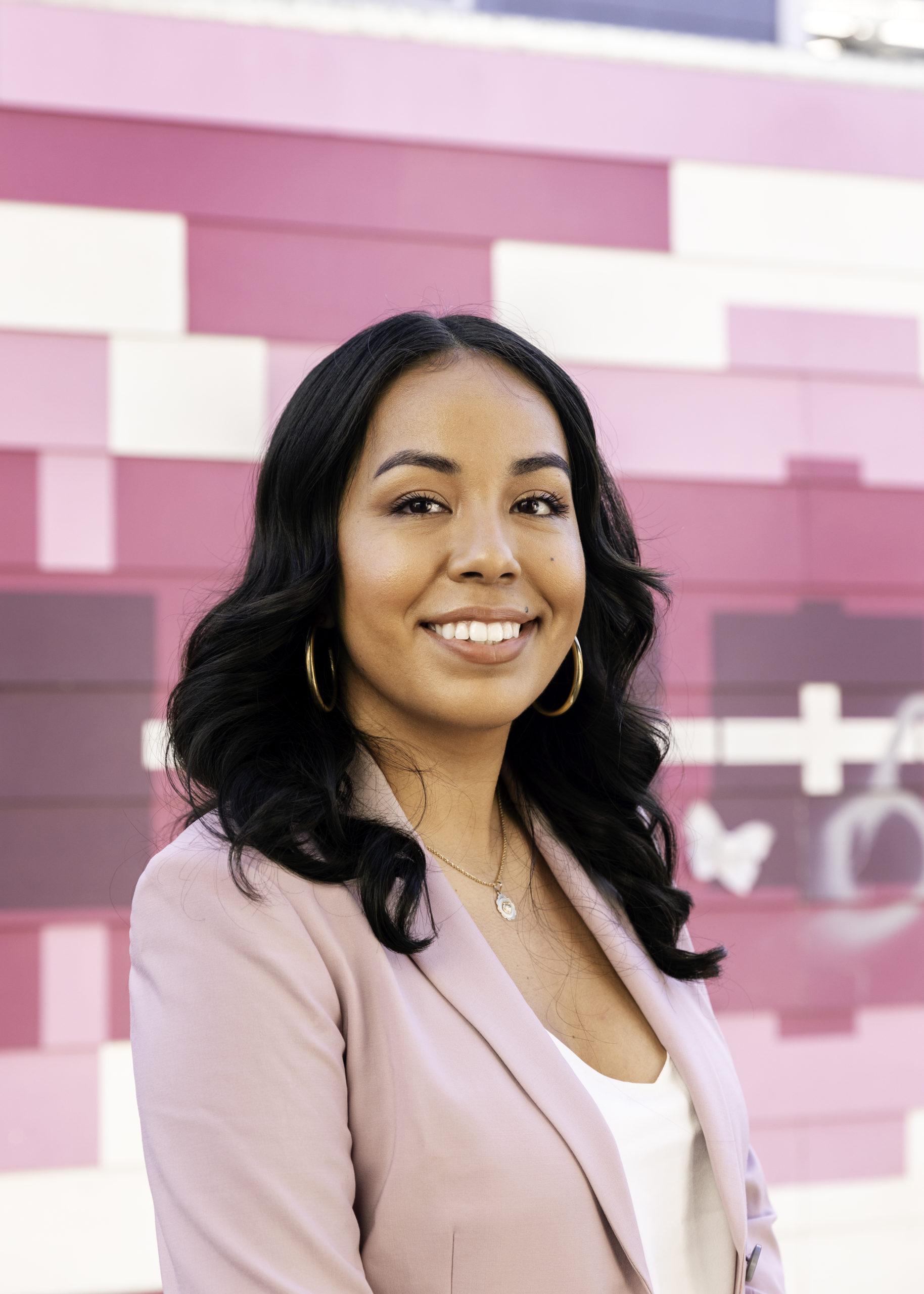
Daisy Prado is an intersectional community advocate and feminist leader championing women of color in San Francisco. She is the public affairs officer for a reproductive health organization, serving as a key government relations liaison between elected officials and San Francisco’s diverse communities, while also advancing access to reproductive and sexual health resources. As a passionate advocate for community change and equity, Daisy, a Latina civic leader has worked at multiple grassroots organizations at the intersection of social and environmental justice, served as a volunteer board member at the ACLU San Francisco Chapter working to protect civil liberties, and holds the role as Community Engagement Officer at the Latinx Young Democrats creating a space for civic engagement through a cultural lens. She was recently appointed commissioner of San Francisco’s Commission on the Status of Women.
Daisy: It’s been a long and uncertain road to be completely honest! I always knew I wanted to serve my community, so I started by working at different nonprofits while also volunteering at many community organizations in my free time. I was the first in my family to go to college and to figure out this career journey, which meant I had no safety net or silver spoon. There were times when I was absolutely broke and unemployed, and at times I questioned my talents and purpose in this world. But with every small step I made, with every connection I created, I slowly started figuring out my purpose. The bottom line to being a changemaker is you need to get to know your community, whether you have lived there your whole life or moved there a few months ago. Go to community meetings and get to know your neighbors. Volunteer at your local food bank or help out at your community garden. Figure out what you feel most passionately about and follow that passion! Is it the climate crisis? Is it supporting new mothers? Is it teaching youth about art? Is it helping our immigrant community get settled in their new homes? For me it’s empowering and protecting Black, Latinx, and Indigenous women.
Daisy: I am the daughter of a single mom and it truly took all my Mama’s hard work and our community’s resources to raise me. So I grew up understanding the importance of women having full autonomy over their life and body. As resilient as my Mom was, I also learned through my lived experiences and career that women don’t have the support they need to be safe and thrive in our society. We don’t have universal healthcare for women and children. Women don’t have access to basic reproductive healthcare. And mothers don’t even have federally mandated paid maternity leave in this country! This is why I fight for women’s health and reproductive rights, whether it’s through my job at a reproductive health organization or through my role as commissioner. I want to live in a world where women can have access to birth control and where mothers have economic empowerment.
Daisy: Do the work! In this social media age and post 2016, it truly feels like everyone wants to be an “activist” for the Instagram likes. The internet has glamourized community organizing and activism work. But many folks who have been doing this work for years or even decades can tell you that they are oftentimes overworked, extremely underpaid, and not an Instagram influencer. There’s nothing wrong with shedding light on the work you do, especially if it helps spread awareness about an important cause, but be intentional about your platforms and make sure you are not using communities or causes as props. Ask yourself, why am I doing this work and who is it helping?
Daisy: It takes me a lot to unwind and relax so I am extremely intentional about self-care. Good people help me recharge my battery, so I plan outdoor dining dates with my favorite vaccinated humans and hiking trips with my pup and partner. Other times I just crack open a bag of Hot Cheetos to watch a rom com. It may not be anything fancy like meditation with sound bowls, but nothing makes me feel better than sharing laughs with other people. I believe that the secret to self care is finding something that fits your needs and personality; meditation might not work for you but dancing might!
Daisy: Right now, I am preparing for my new role as commissioner by trying to read up on local women’s issues! I also write an e-newsletter, The Work Isn’t Done focused on advancing equity and fighting all forms of oppression through advancing education and encouraging local activism.
Daisy: I see San Francisco through the lens of a daughter of immigrants, a career woman, a woman of color, a Latina, a young person, a first-generation college graduate, and as someone who comes from a low-income household of a single Mother. This lens has not only shaped who I am, but also how I interact with my community and how I show up for us every day. So I hope to bring a lens on equity and cultural competency to the work that we do on the commission, whether it’s through creating policies or programs. I will always uplift women, girls, and families of color in our city in order to create a home where they can thrive.
Daisy: I truly don’t know where to start with this question because there are so many! I will focus specifically on challenges that Latinas face in the United States. Latinas are the lowest paid wage group, on average getting paid 45% less than white men. This means that Latinas have less money for basic necessities like rent and food. This snowballs into not having money for long-term goals like investing in savings, higher education, or even buying a home. These are just some of our economic challenges as a community. Latinas also have the highest teen pregnancy rate of any group, which can adversely affect opportunities for higher education or long-term careers, on top of already being severely underpaid in the workforce.
Daisy: If I could change one thing about the world today it would be to make sure that every single girl in the world has the opportunity and access to quality education. And I’m not talking about just college degrees; I dream of a world with free universal pre-k for all children and ensuring that our girls have access to decolonized history lessons. I want women to be able to get the education they need in order to achieve all their dreams, whether it’s to become a small business owner or a congresswoman.
Daisy: A BoldLatina to me is someone who doesn’t care to be society’s “calladita” and aggressively chases after their dreams. As Latinas we are fighting so many odds and statistics, but we are such resilient and brilliant mujeres and we deserve to see our wildest dreams come true.
Bad Bunny headlining Super Bowl. LX. and the conversation around him reveals why Latino representation in American culture still matters.

In the early hours of January 3, 2026, explosions woke residents across Caracas and nearby states, plunging Venezuela into uncertainty. As official media stayed silent, citizens turned to WhatsApp and social platforms. Through firsthand accounts, this story captures the fear that followed.

As Indigenous migrants from Mexico and Central America build lives in the U.S., demand for Mayan language interpretation is rising. When systems assume all Latinos speak Spanish, people fall through the cracks. Here’s what’s changing and why it matters.

While global leaders debate policy, Latina scientists are building solutions now—rooted in community needs and environmental reality. From nopal-based bioplastics to shrimp-shell filtration and smart agriculture sensors, these innovators show what climate progress looks like on the ground.
Get weekly inspiration for living well delivered straight to your inbox.