
The Prosecutor (La Fiscal): Netflix Documentary on Mexico City’s Femicide Crisis

La fiscal (The Prosecutor) is a Netflix documentary exploring femicide in Mexico City through the perspective of prosecutor Sayuri Herrera. The series examines systemic violence, institutional barriers, and the ongoing struggle for justice in one of Latin America’s most urgent human rights crises.

The Prosecutor (La Fiscal): Netflix Documentary on Mexico City’s Femicide Crisis
Image credit: Netflix

Netflix’s reputation for documentary series is beyond dispute. From Selena y Los Dinos, Mucho Mucho Amor which celebrate legends in our community to the dark side of humanity in crime documentaries like The Three Deaths of Marisela Escobedo, Netflix has consistently demonstrated its ability to bring complex human stories with nuance and emotional weight to us. The latest documentary: La fiscal or The Prosecutor sheds light on one of the most urgent crises in Latin America today: Mexico City’s femicides.

The three-episode miniseries, directed by Paula Mónaco Felipe and Miguel Tovar, shows a true-crime portrait of a system under pressure and a frustrating pursuit of justice. The Prosecutor is a gripping watch and will resonate with people beyond Mexico. 

What Is La fiscal (The Prosecutor) About?

La fiscal follows Sayuri Herrera, the first Director of the Office of Femicide in Mexico City, it's a new division dedicated to addressing men’s violence against women in Mexico City. The camera follows Herrera and her department as they investigate gender violence and do so with institutional limitations within the country’s legal system. Apart from focusing on the cases themselves, the narrative centers on the difficult process of gathering evidence and attempting to bring justice to the families.

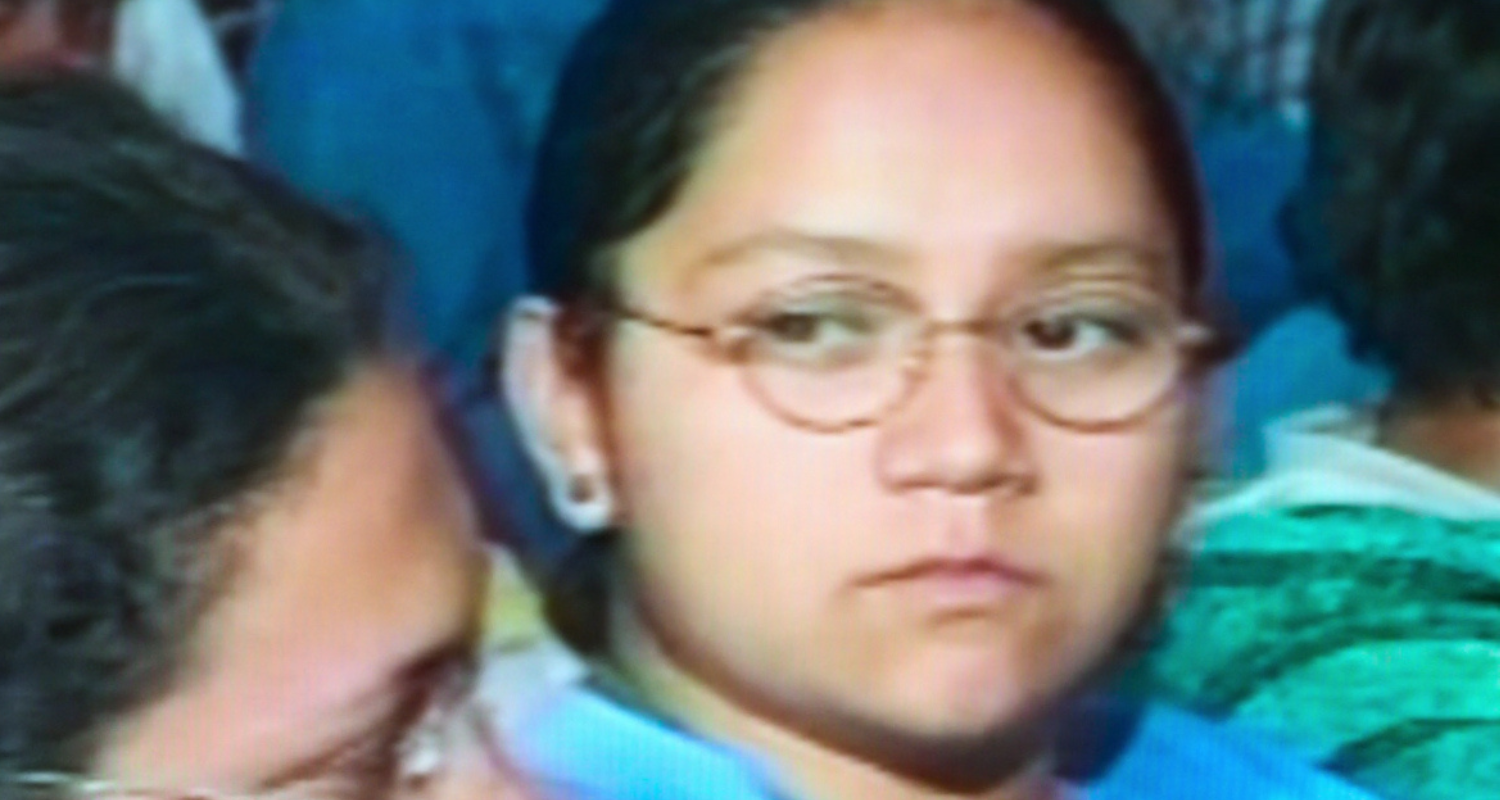
Herrera at a strike in 1999 while pursuing her Bachelor’s degree in Law at the National Autonomous University of Mexico (UNAM)

Herrera emerges as a complex figure, at times a distant authority, yet driven by a deeply personal mission shaped by her work as an advocate, activist, and lawyer for justice, which informs the way she approaches each case. Her role requires balancing professional detachment with empathy, a tension well captured by the documentary. Through her perspective, viewers gain insight into how legal systems operate in practice, especially where resources are limited and social pressures are high.

The series is both investigative and emotional: it carefully reconstructs events while hearing the voices of the victims’ families. These life stories, filled with aspirations and grief, make us question what happens when the justice system is blocked by corruption and impunity. These systemic issues are not easy to address, but The Prosecutor manages to do so with sensitivity. While there aren’t any easy solutions, the community sticks together to hold criminals accountable and to remember their loved ones.

Behind the Documentary: Directors and Journalistic Approach

Director Paula Mónaco Felipe is an Argentinian freelance reporter, editor, and activist based in Mexico. Her work has appeared in The New York Times, BBC Mundo, Gatopardo, Bomb Magazine, La Jornada, and Pie de página, among other publications. She has been recognized with Mexico’s National Journalism Award in 2019 and 2022, the Walter Reuter Award in 2024, and the Breach Valdez Award in 2020 and 2022. She was also a fellow at the Pulitzer Center and the Rainforest Fund. Before La fiscal, she was behind the book Ayotzinapa, horas eternas, and the podcast Veracruz de los silencios (nominated for the 2025 Gabo Award and the True Story Award).

Miguel Tovar Fierro, the director of photography, is a contributor to The New York Times video in Mexico and has worked on the documentaries Los días de Ayotzinapa (Netflix) and Endangered (HBO). Before working in film, he was a photojournalist for 16 years, contributing to national media outlets and international news agencies. He won the 2020 World Press Photo award in the short documentary category for It’s Mutilation: The Police in Chile are Blinding Protesters (2019). 

Why This Netflix Documentary ‘The Prosecutor’ Matters Beyond Mexico

Mexico is a country where femicide remains a serious problem that must be addressed as a society. In 2023, the Executive Secretariat of the National Public Security System recorded 848 victims of femicide and 2,591 intentional homicides. In total, 3,439 women were victims of femicide and intentional homicide. This means that 25% of the murders of women and girls in the country were investigated as femicide. 

The series may be about Mexico City’s criminal justice system, but its relevance extends across borders with all of Latin America. Truth is, femicides are by no means confined to a single country. Across Latin America, gender-based violence remains a reality rooted in our societies. For example, according to the Observatory on Gender Equality in Latin America and the Caribbean (OIG) of the Economic Commission for Latin America and the Caribbean (ECLAC), at least 3,828 women were victims of femicide, feminicide, or gender-based violent death during 2024 in 26 countries and territories in the region. The US’s statistics may prove better, but it’s not off the hook: the country does not have a separate penal code for gender-related murders, so tracking and systematizing femicides is a difficult task. 

Politically, La fiscal or The Prosecutor contributes to ongoing conversations about accountability and reform. It raises awareness of the systemic challenges that lawyers, women, and their families face. In this sense, La fiscal is not only a documentary, but also a call to attention to engage with the realities it exposes.

Netflix and the Evolution of True Crime Storytelling

With La fiscal (The Prosecutor), Netflix once again hits the mark, the series combines strong narrative structure with high production values. It uses interviews, archival material, and careful editing to build a story that is both informative and compelling.

“We know that in an impenetrable institution, one day a window opened. That our camera was able to peer through it. And that now we are opening that window so that others may glimpse this memory of what is possible,” stated Paula Mónaco Felipe and Miguel Tovar in a joint statement for La Voz.

What sets La fiscal apart is its focus and perspective. Rather than centering on a single case or sensational mystery, the miniseries takes a systemic approach examining patterns of men’s violence rooted in social and institutional realities. The result is a powerful addition to Netflix’s documentary catalog, one that foregrounds human experience and honors the lives of Mexican women too often reduced to headlines. For viewers seeking meaningful, thought-provoking storytelling, La fiscal is well worth watching.


Resumen en español

La fiscal (The Prosecutor) es una miniserie documental de Netflix que aborda los feminicidios en la Ciudad de México a través del trabajo de la fiscal Sayuri Herrera, encargada de una unidad especializada en violencia de género. A lo largo de tres episodios, la serie muestra tanto la investigación de los casos como las dificultades estructurales del sistema judicial, combinando un enfoque investigativo con un fuerte componente emocional centrado en las víctimas y sus familias. Dirigida por Paula Mónaco Felipe y Miguel Tovar, la producción ofrece una mirada crítica sobre la impunidad y la violencia de género en México, un problema que se extiende a toda América Latina. 

Read More

Who Are the Latina Astronauts and Professionals Shaping the Future of Space Exploration?

Who Are the Latina Astronauts and Professionals Shaping the Future of Space Exploration?

As NASA returns to the Moon, Latinas are helping shape the future of space. From Ellen Ochoa to Diana Trujillo and Lili Villarreal, their impact highlights the need for more Latina astronauts and Latina in STEM.

Who Was Pura Belpré? The Latina Librarian Who Changed Children’s Literature

Who Was Pura Belpré? The Latina Librarian Who Changed Children’s Literature

Long before diversity in books became a movement, Pura Belpré was bringing Puerto Rican folklore to life in New York libraries. As the first Puerto Rican librarian in NYC, she created bilingual storytime and helped generations of Latino children see themselves reflected in literature.

Latina Journalists Leading the Fight for Gender Equality Across the Americas

Latina Journalists Leading the Fight for Gender Equality Across the Americas

Across the Americas, Latina journalists are reshaping the media landscape bringing visibility to gender violence, inequality, and the stories too often ignored.

Latino Artists Who Performed at the Super Bowl Halftime Show

Latino Artists Who Performed at the Super Bowl Halftime Show

Bad Bunny headlining Super Bowl. LX. and the conversation around him reveals why Latino representation in American culture still matters.

Join our community

Get weekly inspiration for living well delivered straight to your inbox.